Why Modern Roofing Systems Need Ice & Water Shield Protection
Modern roofing systems are exposed to increasingly harsh environmental conditions throughout the year.
From heavy rain and snowstorms to ice dams and temperature fluctuations, roofs must provide long-term protection against moisture intrusion and structural damage.
As construction standards continue to evolve, one roofing protection layer is becoming increasingly important in modern roofing assemblies:
Ice & Water Shield.
This high-performance waterproof membrane plays a critical role in protecting vulnerable roofing areas from water penetration and weather-related damage.
What Is Ice & Water Shield?
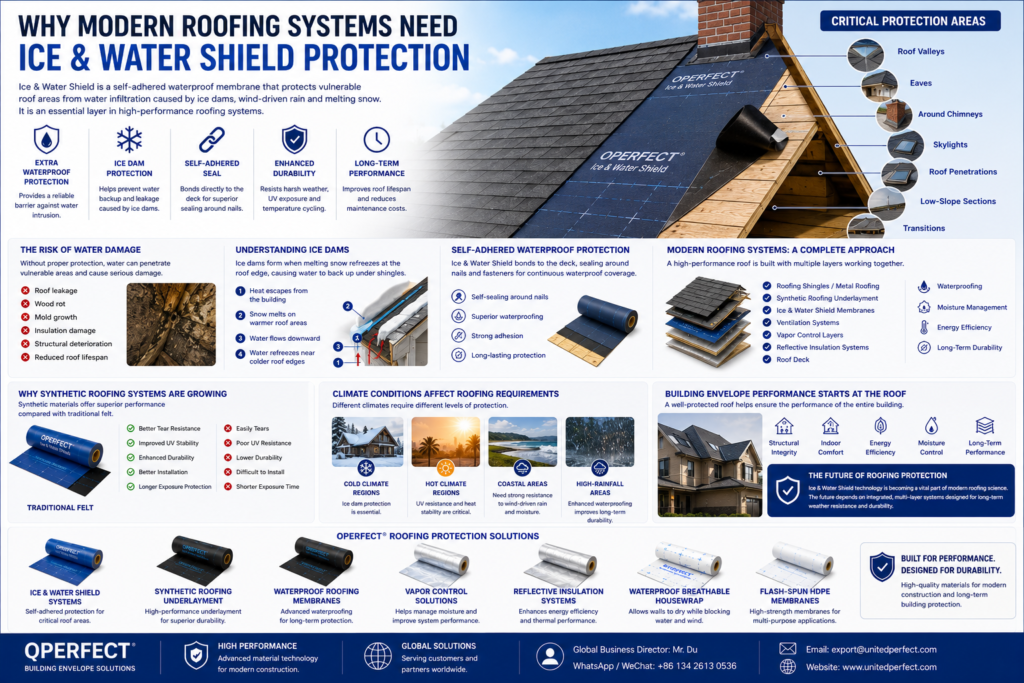
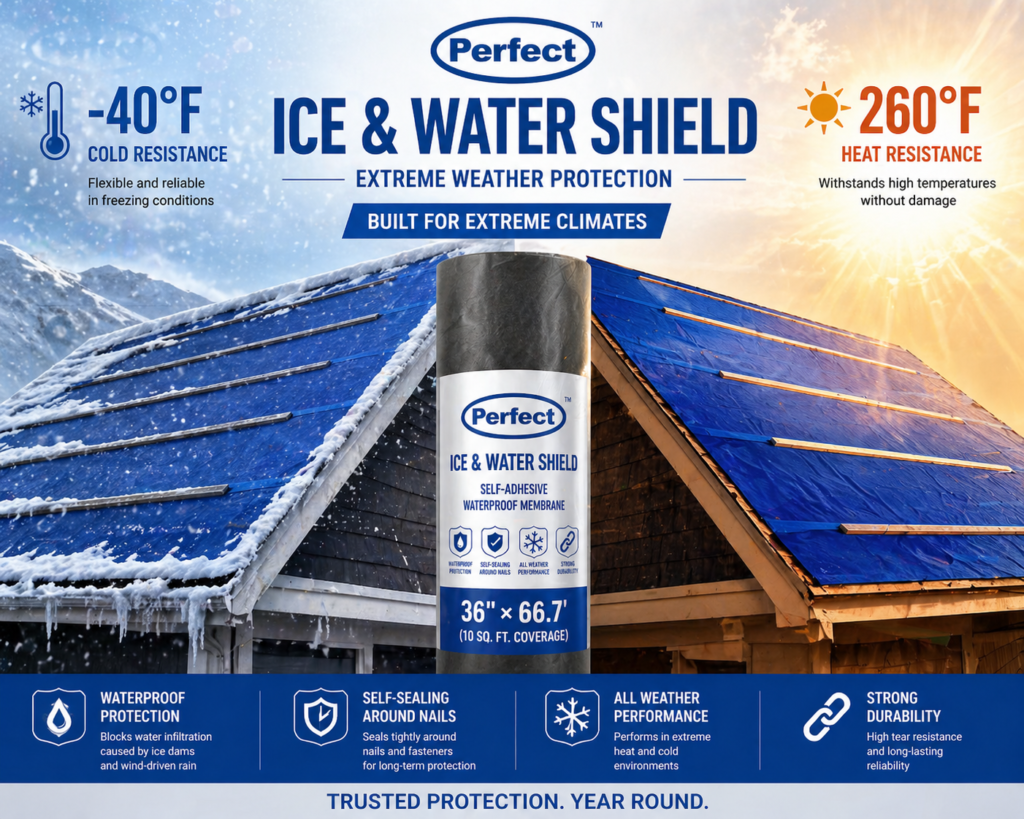
Ice & Water Shield is a self-adhered waterproof roofing membrane installed beneath roofing materials in critical roof areas.
Unlike traditional roofing felt or standard underlayments, Ice & Water Shield membranes are designed to create a watertight seal around roofing fasteners and exposed areas.
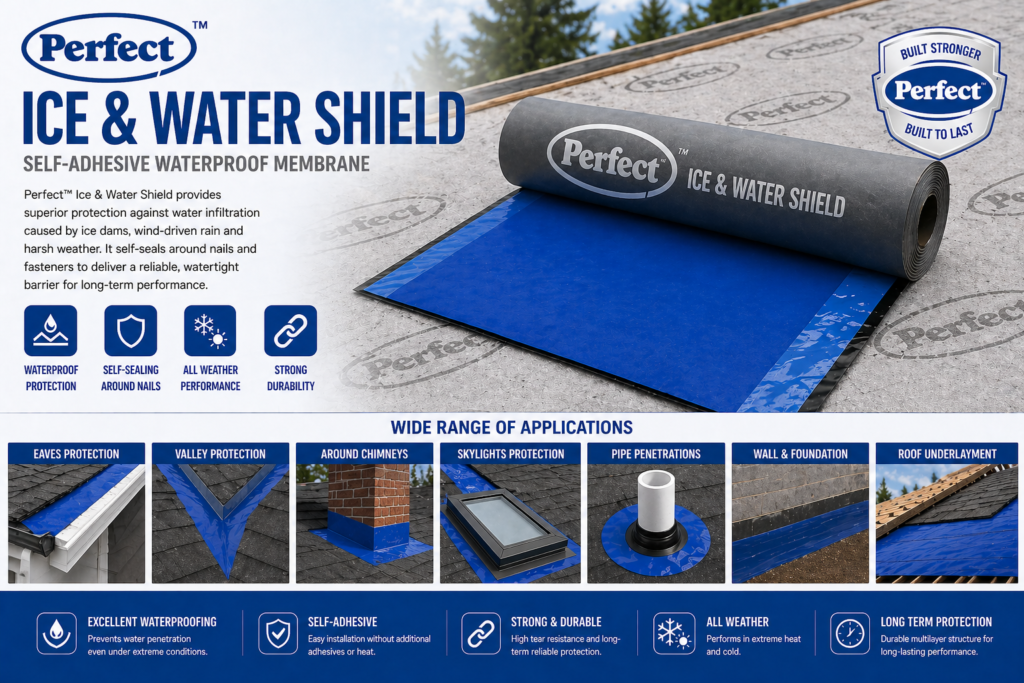
These membranes are commonly installed in:
- Roof valleys
- Eaves
- Around chimneys
- Skylight areas
- Roof penetrations
- Low-slope sections
- Vulnerable roof transitions
Their primary purpose is to provide enhanced waterproof protection in areas with higher moisture exposure risk.
Why Roofing Systems Need Extra Waterproof Protection
Modern roofs are constantly exposed to:
- Wind-driven rain
- Snow accumulation
- Ice dams
- Melting snow
- Standing water
- Temperature cycling
In vulnerable roof areas, water may travel beneath shingles or roofing materials and penetrate the roof deck.
Without proper protection, this may lead to:
- Roof leakage
- Wood rot
- Mold growth
- Insulation damage
- Structural deterioration
- Reduced roof lifespan
Ice & Water Shield systems help reduce these risks by creating an additional waterproof barrier beneath the primary roofing layer.
Understanding Ice Dams
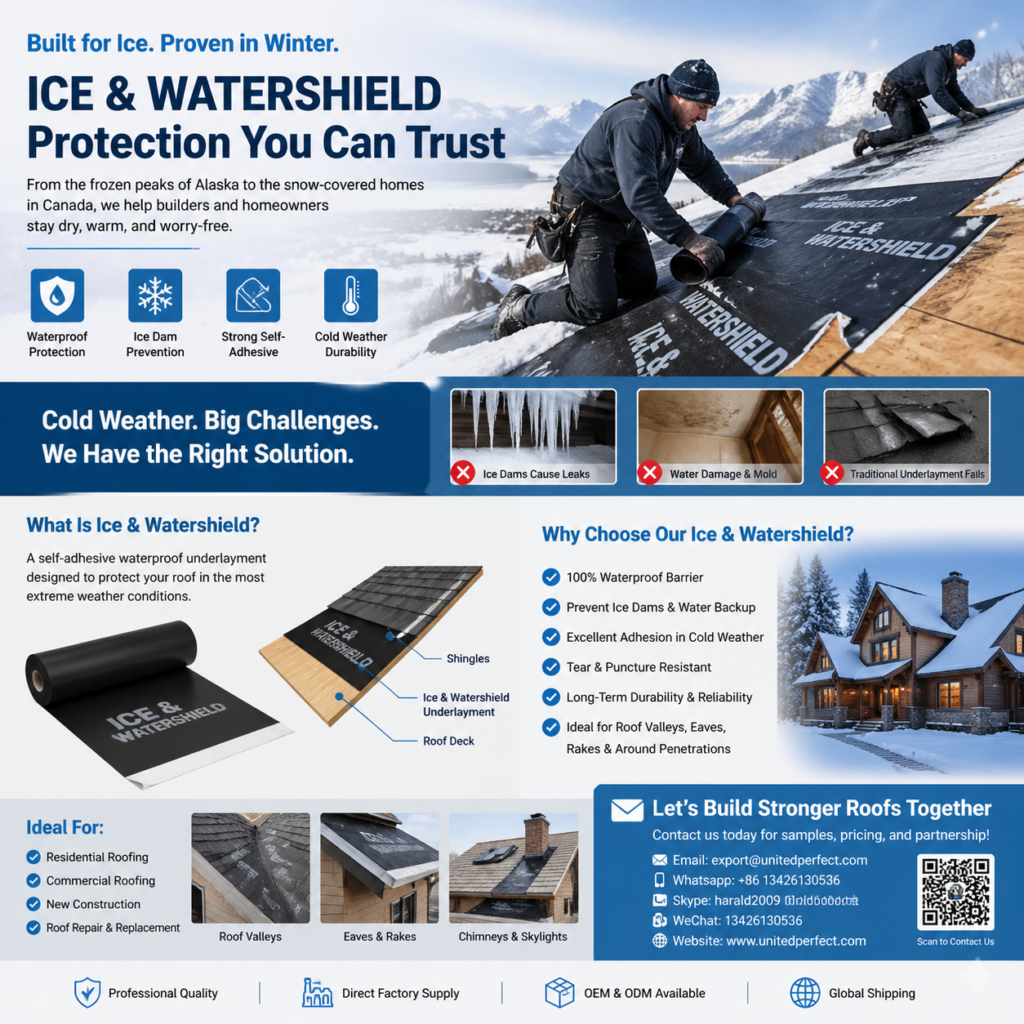
One of the most common cold-climate roofing problems is ice dam formation.
Ice dams occur when:
- Heat escapes from the building interior
- Snow melts on warmer roof sections
- Water flows downward
- Water refreezes near colder roof edges
As ice accumulates, water may back up beneath shingles and enter the roofing assembly.
Traditional roofing materials alone may not fully prevent this type of moisture intrusion.
Ice & Water Shield membranes help provide additional protection against water backup caused by ice dam conditions.
Self-Adhered Waterproof Protection
One of the key advantages of modern Ice & Water Shield membranes is their self-adhered design.
These systems bond directly to the roof deck, helping create:
- Continuous waterproof coverage
- Improved sealing performance
- Protection around nails and fasteners
- Enhanced moisture resistance
This self-sealing capability helps improve roof reliability in high-risk areas.
Ice & Water Shield and Modern Roofing Systems
Modern roofing systems are increasingly designed as complete protection systems rather than isolated materials.
A high-performance roof assembly may include:
- Roofing shingles or metal roofing
- Synthetic roofing underlayment
- Ice & Water Shield membranes
- Ventilation systems
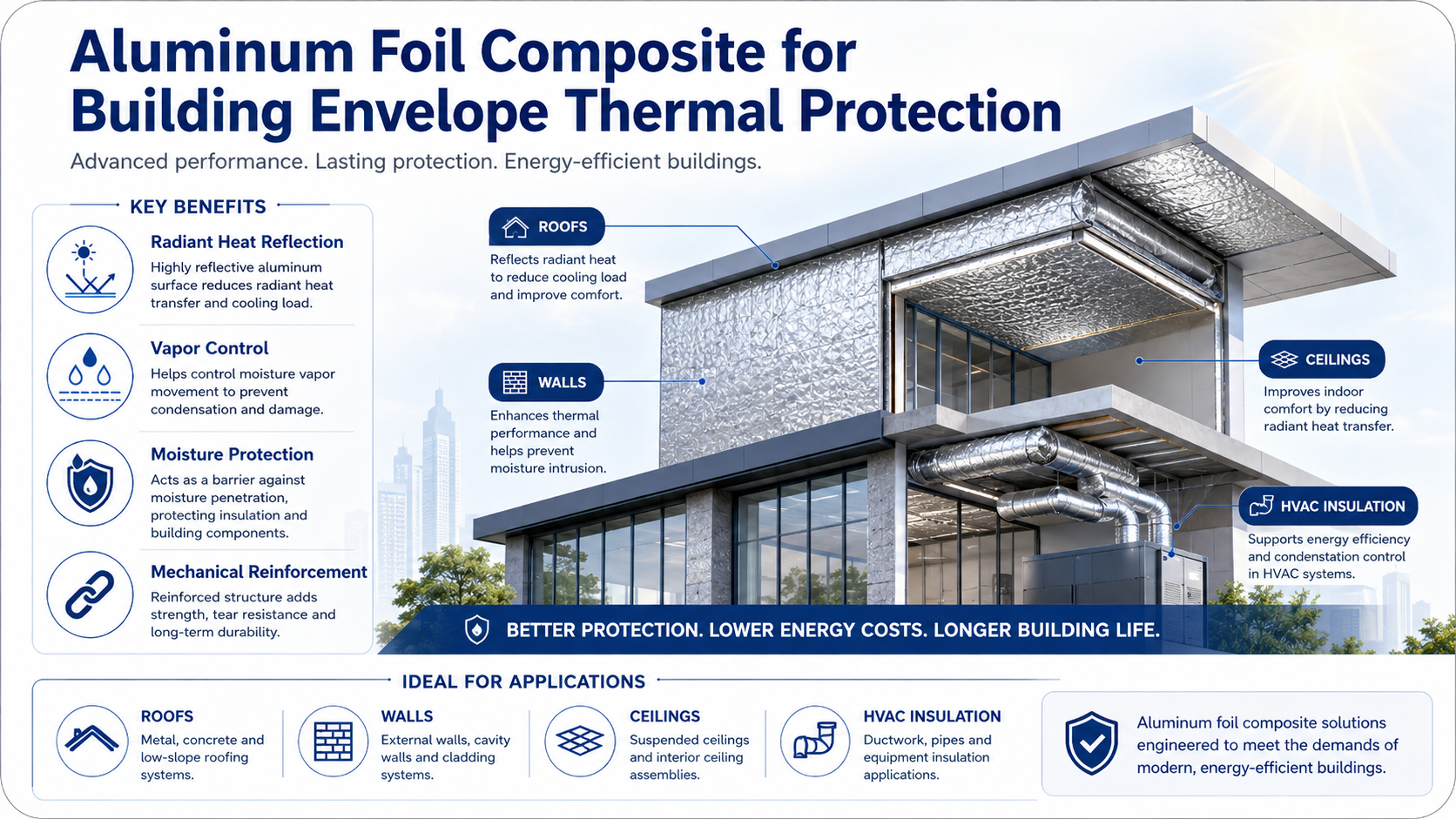
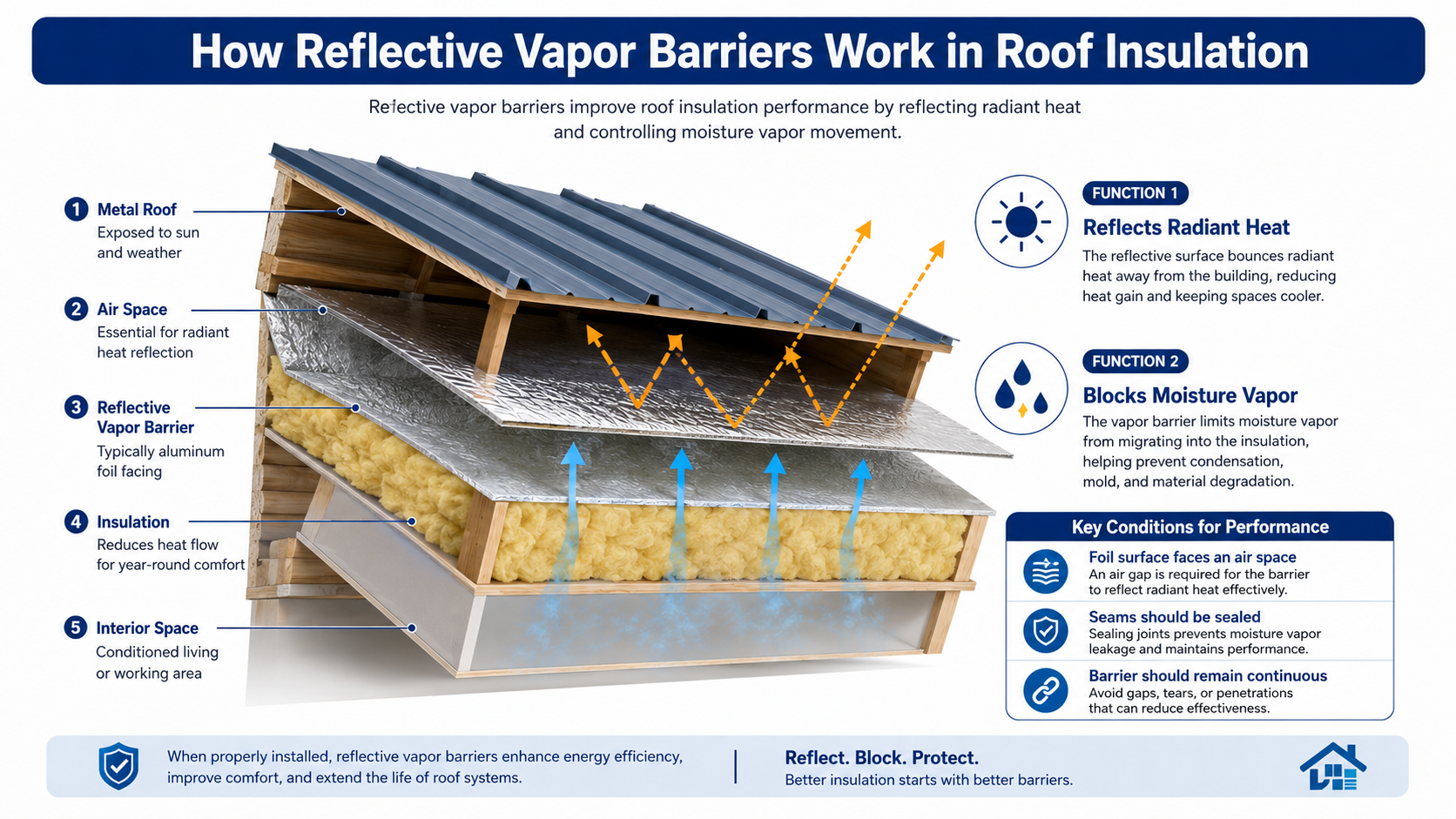
- Vapor control layers
- Reflective insulation systems
Together, these layers help improve:
- Waterproofing
- Moisture management
- Energy efficiency
- Long-term roof durability
Modern roofing science focuses on system performance rather than single-product performance alone.
Why Synthetic Roofing Systems Are Growing
Compared with traditional felt materials, modern synthetic roofing systems increasingly provide:
- Better tear resistance
- Improved UV stability
- Enhanced durability
- Better installation performance
- Longer exposure protection
When combined with Ice & Water Shield systems, synthetic roofing assemblies can provide stronger overall weather resistance.
Climate Conditions Affect Roofing Requirements
Different environments create different roofing challenges.
Cold Climate Regions
Ice dam protection becomes especially important in snowy regions.
Hot Climate Regions
UV resistance and heat stability become critical.
Coastal Areas
Roof systems may require improved resistance to wind-driven rain and moisture exposure.
High-Rainfall Areas
Enhanced waterproofing protection helps improve long-term roof durability.
Modern roofing membrane technology is increasingly designed to address these different environmental conditions.
Building Envelope Performance Starts at the Roof
The roof is one of the most exposed parts of any building envelope system.
Roof failures can affect:
- Structural integrity
- Indoor comfort
- Insulation performance
- Energy efficiency
- Moisture control
This is why high-performance roofing protection systems are becoming increasingly important in both residential and commercial construction.
The Future of Roofing Protection
As construction standards continue to evolve worldwide, roofing systems are becoming increasingly focused on:
- Waterproof durability
- Climate resilience
- Moisture management
- UV resistance
- Long-term weather performance
- Energy efficiency
Ice & Water Shield technology is becoming an important part of modern roofing science and building envelope design.
The future of roofing protection depends on integrated, multi-layer roofing systems designed for long-term performance.
OPERFECT Roofing Protection Solutions
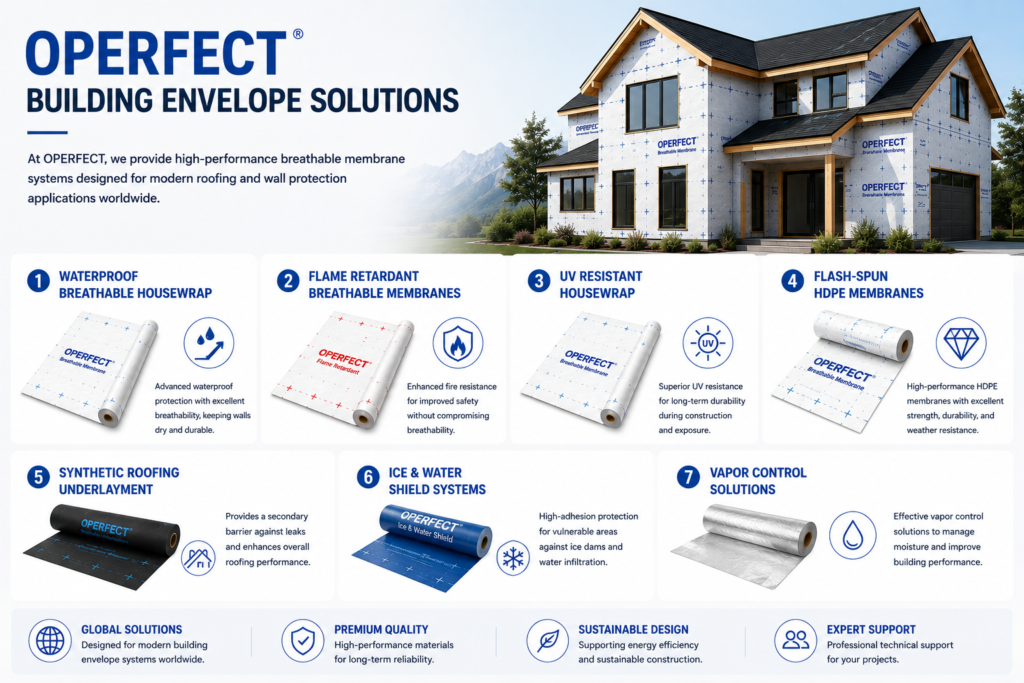
At OPERFECT, we provide high-performance roofing and building envelope materials designed for modern construction projects worldwide.
Our solutions include:
- Ice & Water Shield Systems
- Synthetic Roofing Underlayment
- Waterproof Roofing Membranes
- Vapor Control Solutions
- Reflective Insulation Systems
- Waterproof Breathable Housewrap
- Flash-Spun HDPE Membranes
Designed for modern roofing systems and long-term building durability.
United Perfect Group “To Make Buildings Perfect, together.”
Global Business Director: Mr. Du
WhatsApp/WeChat: +86 134 2613 0536
电子邮件: export@unitedperfect.com
网站: www.unitedperfect.com