Why Synthetic Roofing Underlayment Is Replacing Traditional Roofing Felt
For many years, traditional asphalt felt was the standard roofing underlayment used beneath shingles and roofing materials.
However, modern construction methods and increasingly demanding weather conditions are changing roofing system requirements worldwide.
Today’s roofing assemblies require more than basic water resistance.
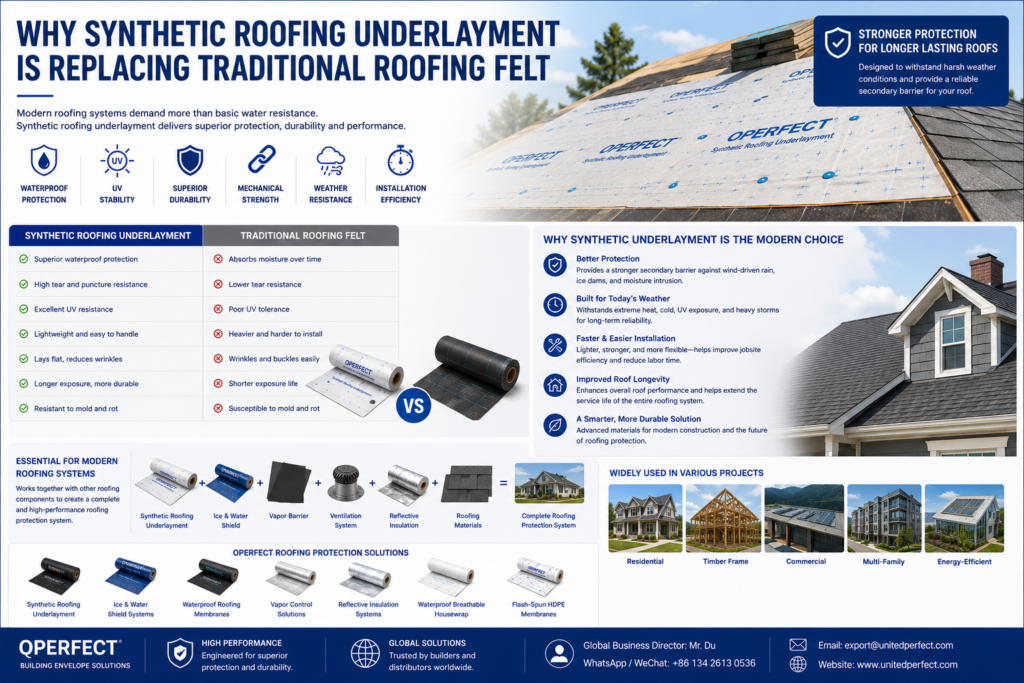
They demand:
- Long-term durability
- Waterproof protection
- UV stability
- Mechanical strength
- Weather resistance
- Installation efficiency
As a result, synthetic roofing underlayment is rapidly becoming the preferred solution in modern roofing systems.
What Is Roofing Underlayment?
Roofing underlayment is a protective layer installed between the roof deck and the exterior roofing material.
It acts as a secondary weather barrier designed to help protect the roof structure from moisture intrusion and environmental exposure.
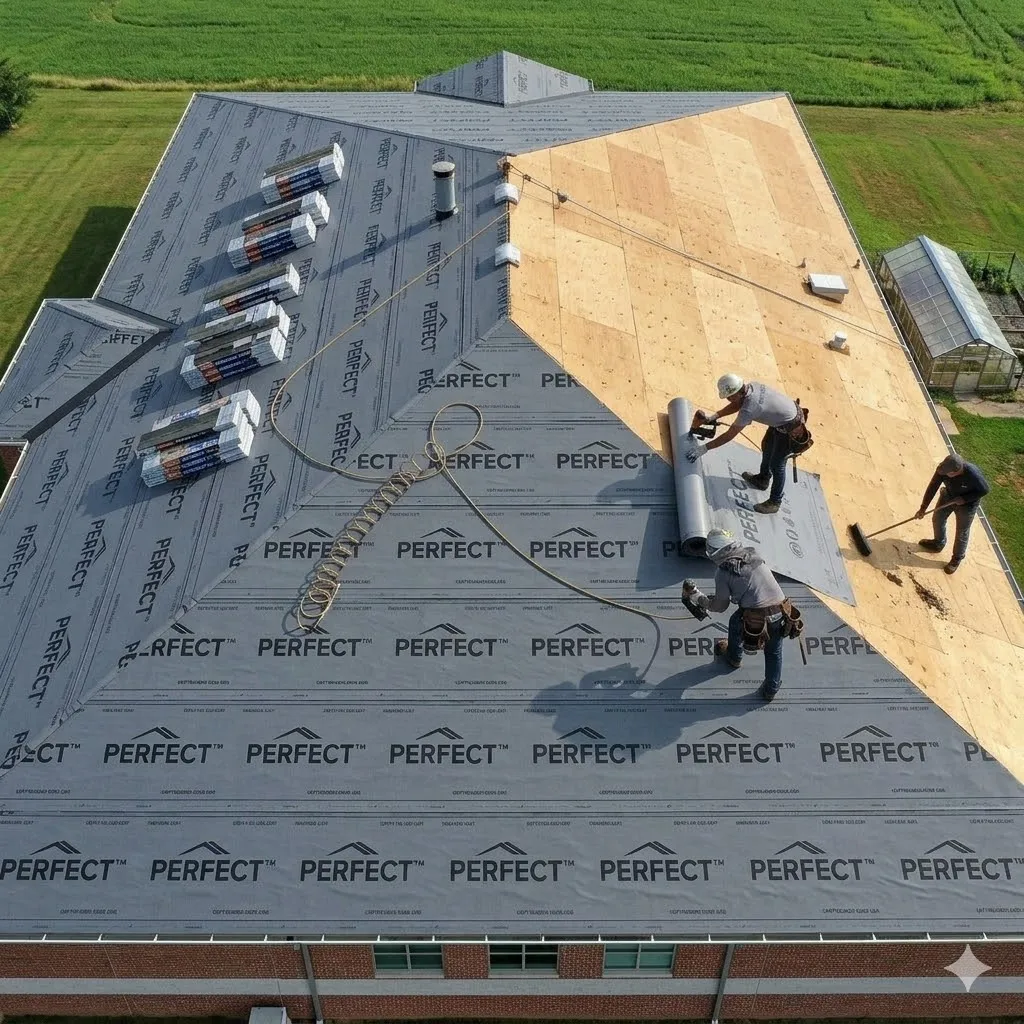
Modern roofing underlayment systems help defend against:
- Wind-driven rain
- Snow and ice
- Roof leakage
- UV exposure
- Moisture infiltration
- Temperature fluctuations
A high-performance underlayment plays an important role in improving long-term roofing durability.
The Limitations of Traditional Roofing Felt
Traditional asphalt felt has been widely used for decades, but modern construction environments have revealed several performance limitations.
Common issues include:
- Absorbing moisture over time
- Wrinkling during installation
- Lower tear resistance
- Reduced UV tolerance
- Shorter exposure life
- Reduced durability in extreme weather
In demanding climates, these limitations may affect long-term roof protection performance.
As roofing standards evolve, builders increasingly require stronger and more reliable roofing materials.
What Is Synthetic Roofing Underlayment?
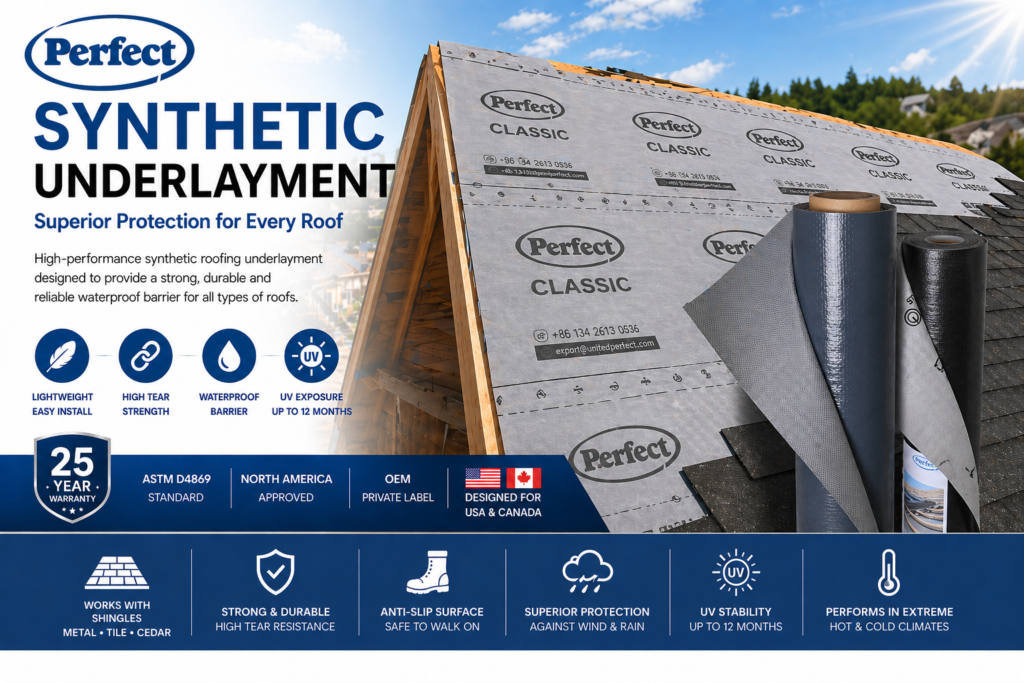
Synthetic roofing underlayment is an engineered roofing protection membrane designed to provide improved durability and weather resistance compared to traditional felt.
Modern synthetic membranes are commonly manufactured using advanced polymer technologies that improve:
- Waterproof performance
- Tear resistance
- UV stability
- Dimensional stability
- Slip resistance
- Long-term durability
These materials are increasingly used in both residential and commercial roofing projects worldwide.
Why Modern Roofing Systems Need Better Protection
Modern roofs are exposed to increasingly harsh environmental conditions, including:
- Extreme heat
- Heavy rain
- Snow accumulation
- Ice dams
- Strong winds
- Long-term UV exposure
As roofing systems become more complex and energy efficient, roofing underlayments play a more important role in overall building envelope protection.
Synthetic roofing underlayments help improve roofing performance by creating a more durable secondary weather barrier beneath exterior roofing materials.
UV Resistance Is Becoming Increasingly Important
During construction, roofing underlayments may remain exposed to sunlight for extended periods before final roofing installation is completed.
UV-resistant synthetic membranes help maintain:
- Material strength
- Waterproof integrity
- Installation reliability
- Long-term performance
This is especially important in:
- Hot climates
- High UV regions
- Large commercial projects
- Long construction schedules
Modern synthetic underlayments are increasingly designed to withstand temporary UV exposure during construction.
Roofing Systems Must Also Manage Moisture
Modern roofing science focuses not only on waterproofing, but also on moisture management and ventilation performance.
Roof assemblies can experience:
- Interior condensation
- Vapor movement
- Heat buildup
- Moisture accumulation
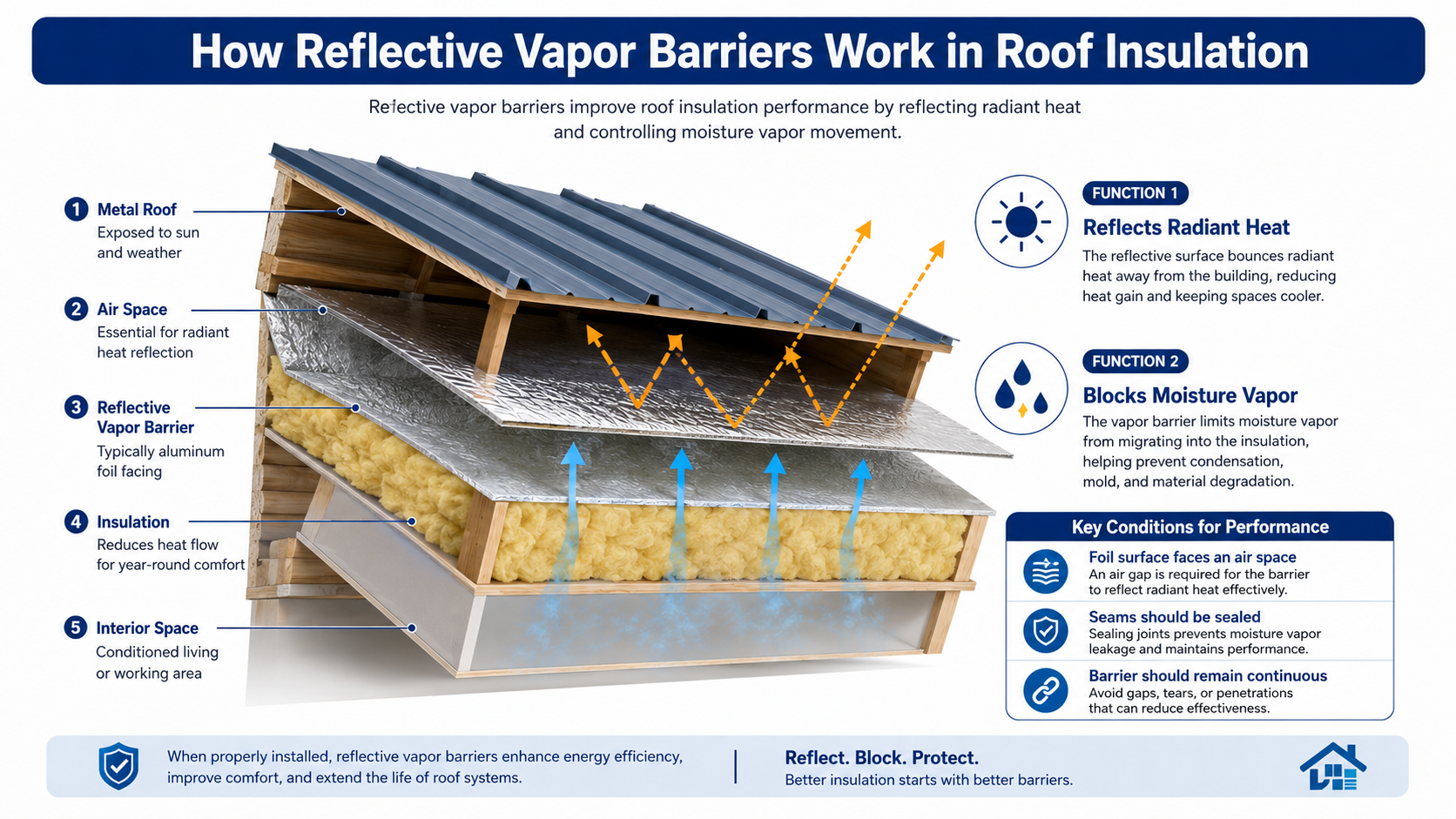
Modern roofing systems often combine:
- Synthetic roofing underlayment
- Ice & Water Shield membranes
- Vapor barriers
- Ventilation systems
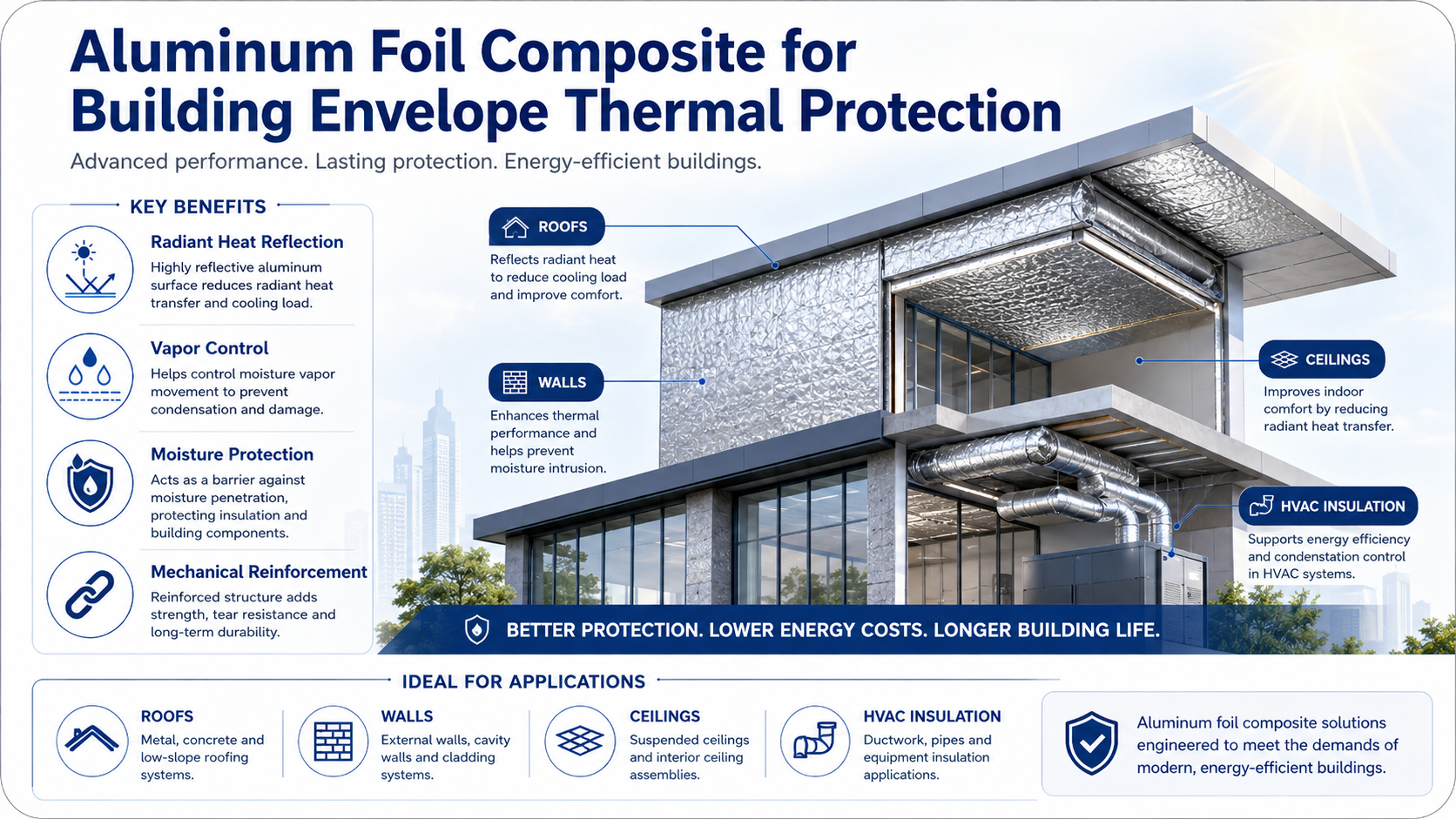
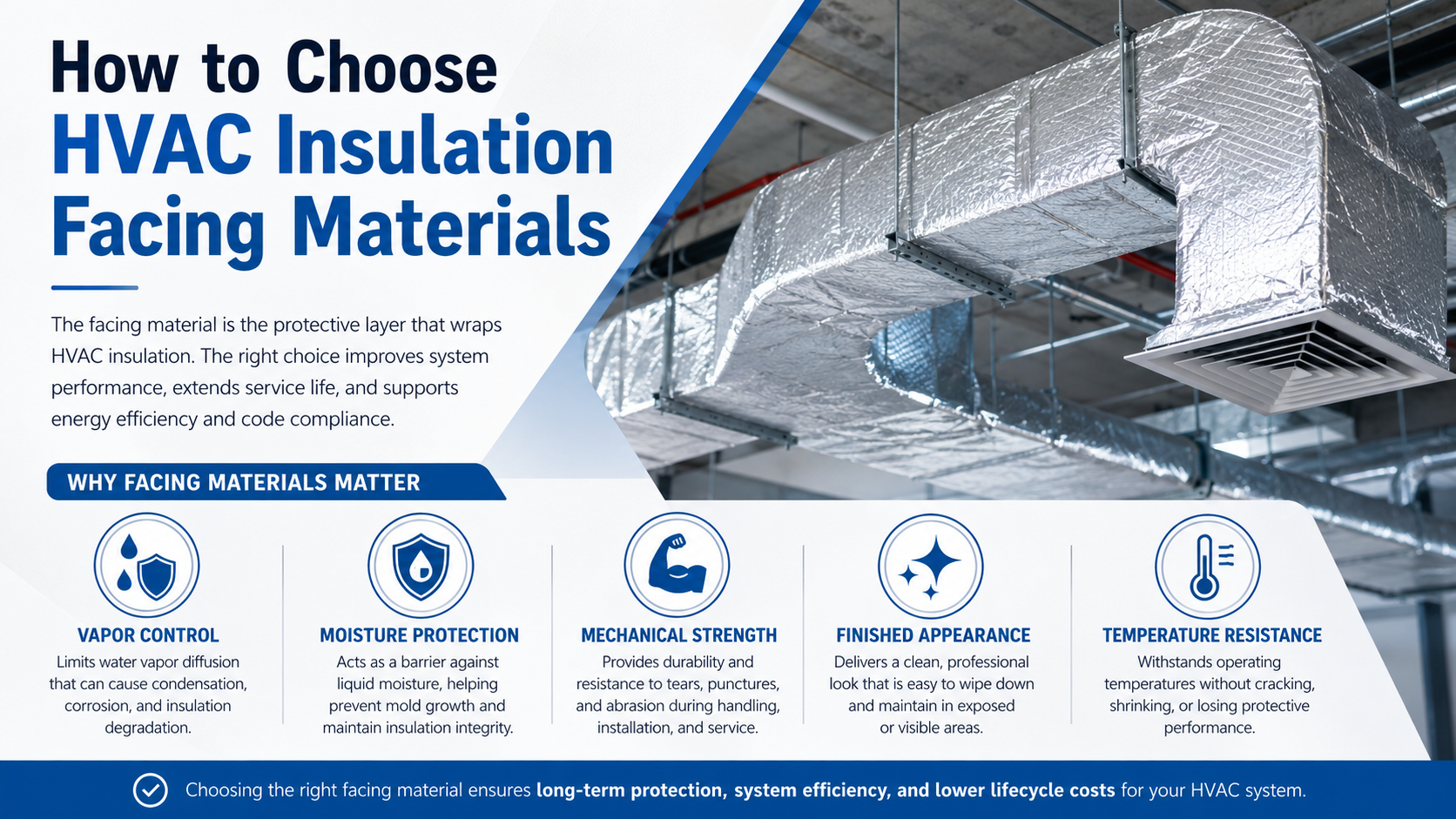
- Reflective insulation materials
Together, these layers help improve roof durability and moisture performance.
Synthetic Underlayments Improve Installation Efficiency
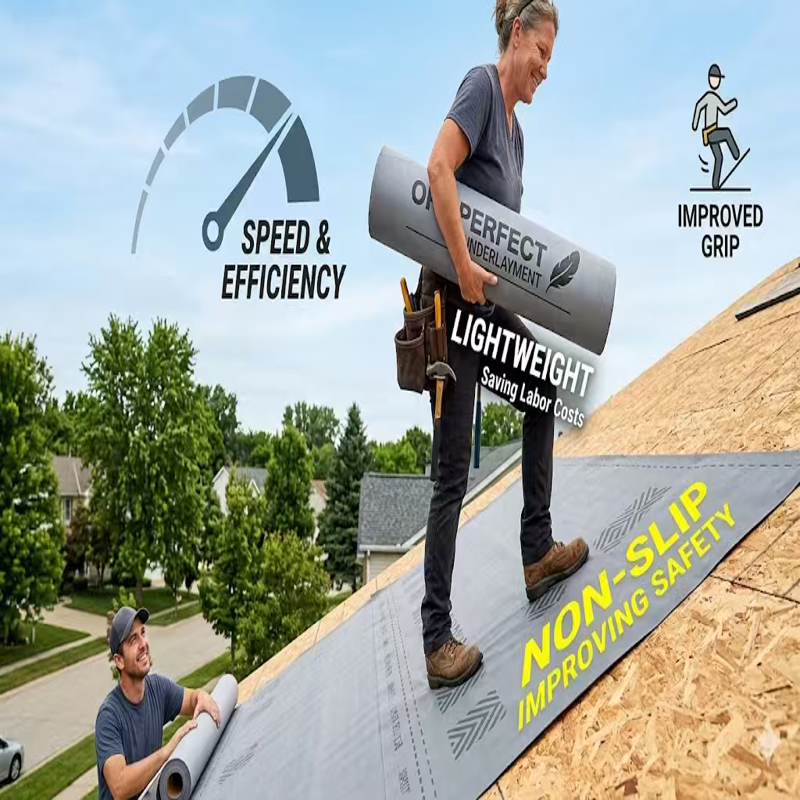
Compared with traditional felt, synthetic roofing underlayments are often:
- Lighter in weight
- Easier to install
- More tear resistant
- More dimensionally stable
These advantages help improve jobsite efficiency and installation reliability.
In modern roofing projects, installation performance is becoming increasingly important alongside material durability.
Roofing Protection Is Part of the Building Envelope System
A roof is one of the most exposed parts of a building.
Modern roofing systems must work together with wall protection systems and insulation assemblies to create a complete building envelope solution.
This integrated approach helps improve:
- Waterproofing
- Moisture control
- Energy efficiency
- Indoor comfort
- Long-term durability
High-performance roofing underlayment systems play an important role in this overall protection strategy.
The Future of Roofing Protection
As construction standards continue to evolve globally, modern roofing materials are becoming increasingly focused on:
- Waterproof durability
- UV resistance
- Moisture management
- Long-term weather performance
- Energy efficiency
- Climate resilience
Synthetic roofing underlayment technology is becoming a critical part of modern roofing science.
The future of roofing protection is no longer based on simple felt materials.
It is based on integrated high-performance roofing systems.
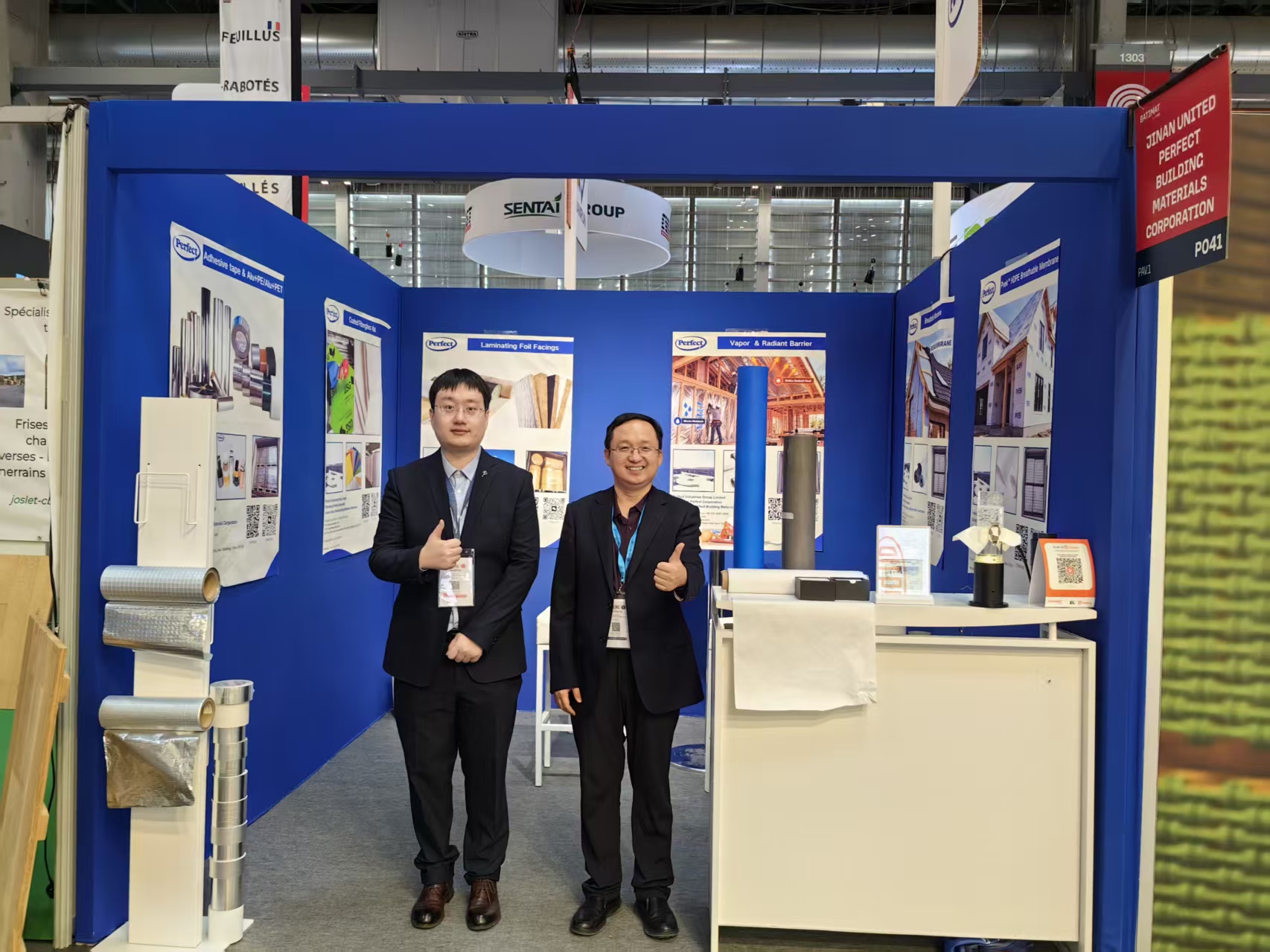
OPERFECT Roofing Protection Solutions
At OPERFECT, we provide high-performance roofing and building envelope materials designed for modern construction projects worldwide.
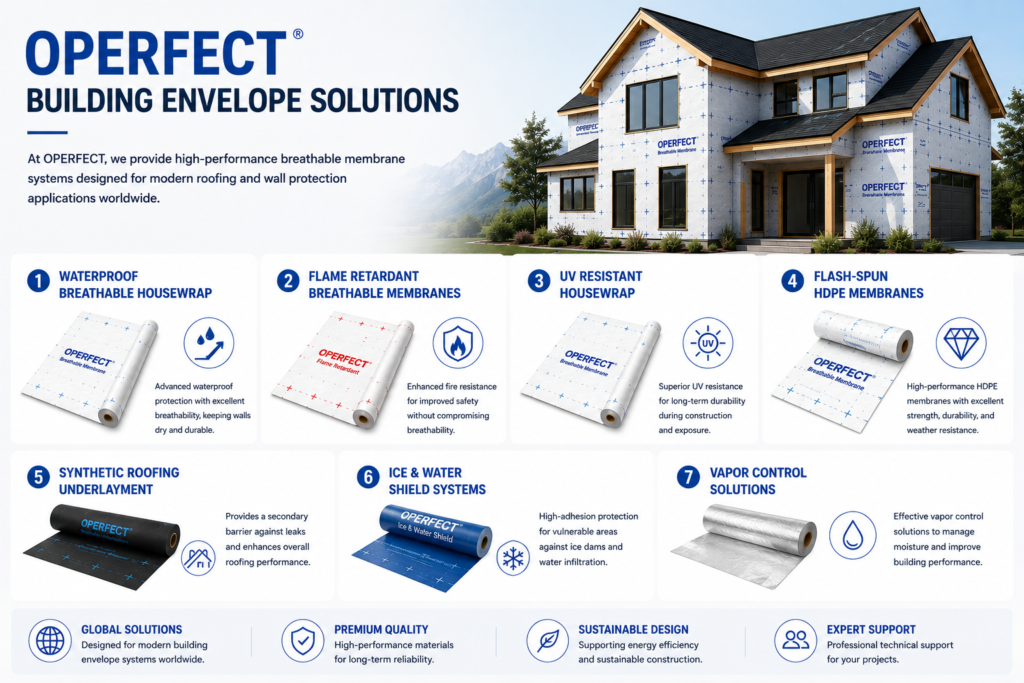
Our solutions include:
- Synthetic Roofing Underlayment
- Ice & Water Shield Systems
- Waterproof Roofing Membranes
- Vapor Control Solutions
- Reflective Insulation Systems
- Waterproof Breathable Housewrap
- Flash-Spun HDPE Membranes
Designed for modern roofing systems and long-term building durability.
United Perfect Group “To Make Buildings Perfect, together.”
Global Business Director: Mr. Du
WhatsApp/WeChat: +86 134 2613 0536
Email: export@unitedperfect.com
Website: www.unitedperfect.com