How Moisture Management Protects Buildings
How Moisture Management Protects Buildings
Understanding Water, Vapor, and Drying Capability in Building Envelope Systems
Category
Building Envelope Buyer’s Guide
Focus Keyword
Building Envelope Moisture Management
Secondary Keywords
- Moisture Management System
- House Wrap Moisture Control
- Building Envelope Protection
- Wall Drying Capability
- High Performance WRB
URL Slug
/buyers-guide/moisture-management-building-envelope
How Moisture Management Protects Buildings
Quick Answer
Moisture management is one of the most important functions of a modern Building Envelope System.
A high-performance wall assembly must control three major moisture sources:
- Liquid water from outside
- Water vapor from inside
- Airborne moisture movement
House Wrap, vapor control layers, insulation, and flashing systems work together to keep buildings dry, durable, and energy efficient.
Why Moisture Management Matters
Water is one of the biggest threats to building durability.
Uncontrolled moisture can cause:
- Mold growth
- Wood deterioration
- Insulation performance loss
- Indoor air quality problems
- Reduced building lifespan
A successful Building Envelope does not simply block water—it manages moisture movement.
The Three Sources of Building Moisture
1. Rainwater from Outside
Exterior walls face:
- Rain
- Wind-driven rain
- Snow
- Construction exposure
A WRB (Weather-Resistive Barrier) helps prevent liquid water from entering the wall assembly.
Examples:
- House Wrap
- Breathable Membrane
- Flash-Spun HDPE WRB
2. Water Vapor from Inside
Indoor activities create moisture:
- Cooking
- Showering
- Breathing
- Heating systems
Depending on climate conditions, this moisture may move into wall assemblies.
Proper vapor control helps reduce condensation risks.
3. Airborne Moisture Movement
Air leakage can carry large amounts of moisture into building cavities.
Uncontrolled airflow may transport:
- Warm humid air
- Condensation risks
- Hidden moisture problems
This is why air barrier performance is an important part of moisture management.
How a Building Envelope Controls Moisture
A high-performance wall system uses multiple control layers:
Water Control Layer
Function:
Prevent rainwater intrusion.
Typical materials:
- House Wrap
- WRB Membranes
- Flashing Systems
Air Control Layer
Function:
Reduce uncontrolled air movement.
Benefits:
- Better energy efficiency
- Reduced moisture transport
- Improved comfort
Vapor Control Layer
Function:
Manage water vapor movement.
Applications depend on:
- Climate zone
- Wall assembly design
- Building requirements
Thermal Control Layer
Function:
Maintain temperature performance.
Examples:
- Fiberglass insulation
- Mineral wool
- Foam insulation
The Importance of Wall Drying Capability
Modern buildings are designed not only to prevent moisture entry but also to allow controlled drying.
A wall assembly should have the ability to:
- Dry outward
- Release trapped moisture
- Maintain long-term durability
Breathable House Wrap supports this concept by allowing vapor movement while protecting against exterior water.
Moisture Management in Different Climates
Cold Climate
Examples:
- Canada
- Northern USA
Challenges:
- Large temperature differences
- Interior humidity
- Condensation risk
Important features:
✔ Vapor management
✔ Wall drying capability
✔ Reliable WRB protection
Hot & Humid Climate
Examples:
- Southern USA
- Tropical regions
Challenges:
- High humidity
- Exterior moisture loads
Important features:
✔ Water resistance
✔ Air control
✔ Moisture movement management
Mixed Climate
Challenges:
- Seasonal temperature changes
- Different moisture directions throughout the year
Requires:
✔ Balanced wall system design
✔ Flexible moisture management strategy
House Wrap’s Role in Moisture Management
Modern House Wrap provides multiple functions:
Water Protection
Blocks:
- Rain penetration
- Wind-driven moisture
Vapor Management
Allows:
- Controlled vapor movement
- Wall drying
Air Control
Helps:
- Reduce air leakage
- Improve building performance
Choosing the Right House Wrap
PP Woven House Wrap
Suitable for:
- Cost-effective projects
- Standard residential construction
Advantages:
- Reliable water protection
- Economical solution
Breathable Membrane House Wrap
Suitable for:
- Energy-efficient buildings
- Cold and mixed climates
Advantages:
- Vapor permeability
- Moisture management
- Balanced performance
Flash-Spun HDPE House Wrap
Suitable for:
- Premium residential projects
- High-performance buildings
Advantages:
- Excellent durability
- Strong weather resistance
- Advanced WRB performance
Common Moisture Management Mistakes
Avoid:
❌ Treating waterproofing as the only requirement
❌ Ignoring wall drying capability
❌ Selecting materials without climate consideration
❌ Poor flashing details
❌ Unsealed penetrations
❌ Incorrect installation sequence
Buyer Checklist
Before selecting a Building Envelope moisture control system:
✔ Is the WRB suitable for the climate?
✔ Does the wall assembly have drying capability?
✔ Are flashing details properly integrated?
✔ Are vapor control requirements understood?
✔ Does the supplier provide technical support?
✔ Are installation instructions available?
How OPERFECT Supports Complete Moisture Management Solutions
OPERFECT provides integrated Building Envelope Protection Systems:
Wall Protection System
- PP Woven House Wrap
- Breathable Membrane House Wrap
- Flash-Spun HDPE House Wrap
Roofing Protection System
- Synthetic Roofing Underlayment
- Ice & Water Shield
Thermal Protection System
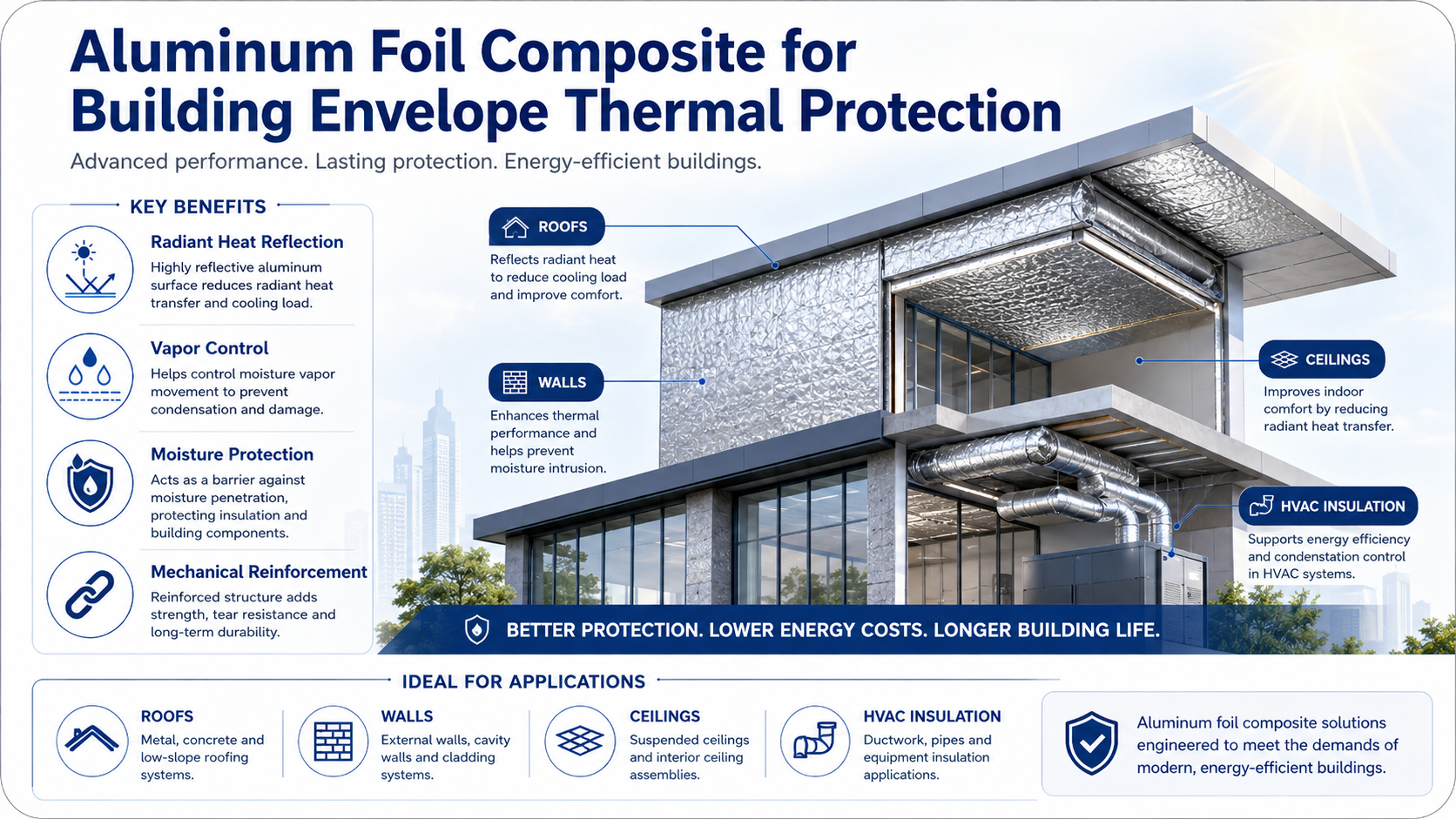
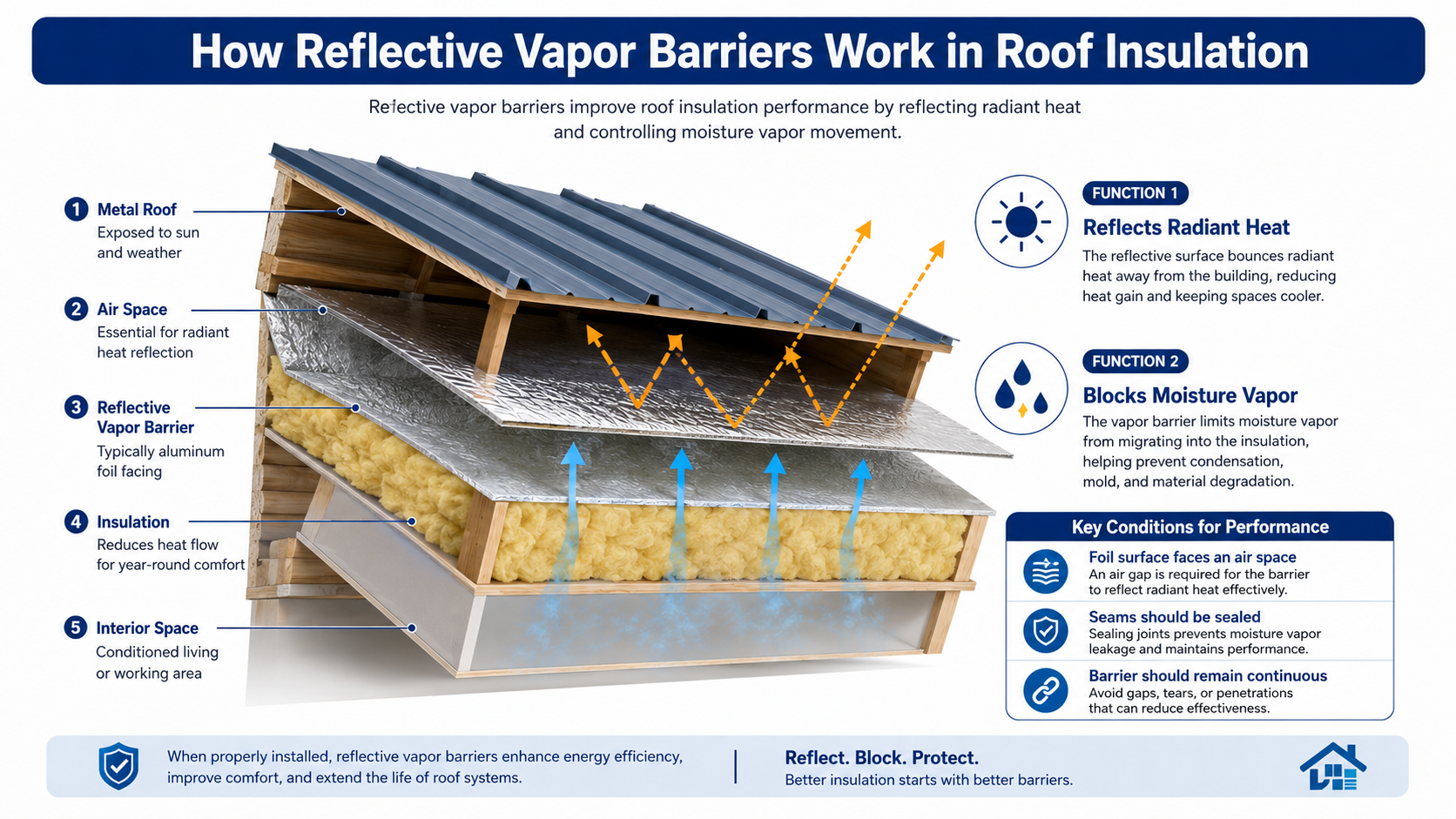
- Reflective Vapor Barrier
Our goal is to help customers select complete protection systems—not just individual materials.
Why Global Buyers Choose OPERFECT
✔ Building Envelope System Manufacturer
✔ OEM & Private Label Manufacturing
✔ 9 ft & 10 ft Wide Rolls
✔ Reduced Seams & Faster Installation
✔ Factory Direct Supply
✔ Fast Sample Support
✔ DDP Door-to-Door Delivery
✔ Professional Technical Support
Frequently Asked Questions
Why is moisture management important in buildings?
Because uncontrolled moisture can damage structural materials, reduce insulation performance, and shorten building lifespan.
Is waterproofing enough for a building envelope?
No. Modern buildings require balanced control of water, air, vapor, and heat transfer.
Does breathable House Wrap help walls dry?
Yes. Breathable membranes allow water vapor movement while protecting walls from exterior liquid water.
What causes most moisture problems?
Common causes include poor flashing, uncontrolled air leakage, improper material selection, and installation errors.
Why are wider House Wrap rolls beneficial?
OPERFECT 9 ft and 10 ft wide rolls reduce seams, simplify installation, and help create a more continuous moisture protection layer.
Related Articles
- How House Wrap Improves Energy Efficiency
- How Breathable House Wrap Works
- How House Wrap Improves Air Barrier Performance
- WRB vs Vapor Barrier
- How to Install House Wrap Correctly
Contact OPERFECT
United Perfect Group, To Make Buildings Perfect, together.
Global Business Director: Mr. Du
WhatsApp / WeChat: +86 134 2613 0536
Email: export@unitedperfect.com
Website: www.unitedperfect.com
Products:House wrap – Manufacturer of foil lamination, Roofing & walling, Insulation & acoustic, Fiberglass .