WRB vs Vapor Barrier: Understanding the Difference in Modern Construction
In modern building envelope systems, two terms are frequently discussed in wall and roofing design:
Weather Resistant Barrier (WRB)
and
Vapor Barrier.
Although these materials are both related to moisture protection, they serve very different functions inside a building assembly.
Understanding the difference between WRB systems and vapor barriers is essential for designing durable, energy-efficient, and moisture-controlled buildings.
Why Moisture Control Matters More Than Ever
Modern buildings are becoming increasingly airtight in order to improve energy efficiency and indoor comfort.
However, tighter wall and roof systems also increase the importance of proper moisture management.
Without effective moisture control, buildings may experience:
- Mold growth
- Condensation buildup
- Wood rot
- Insulation degradation
- Structural deterioration
- Reduced energy efficiency
This is why modern construction relies on multiple layers of protection that manage both water and vapor movement.
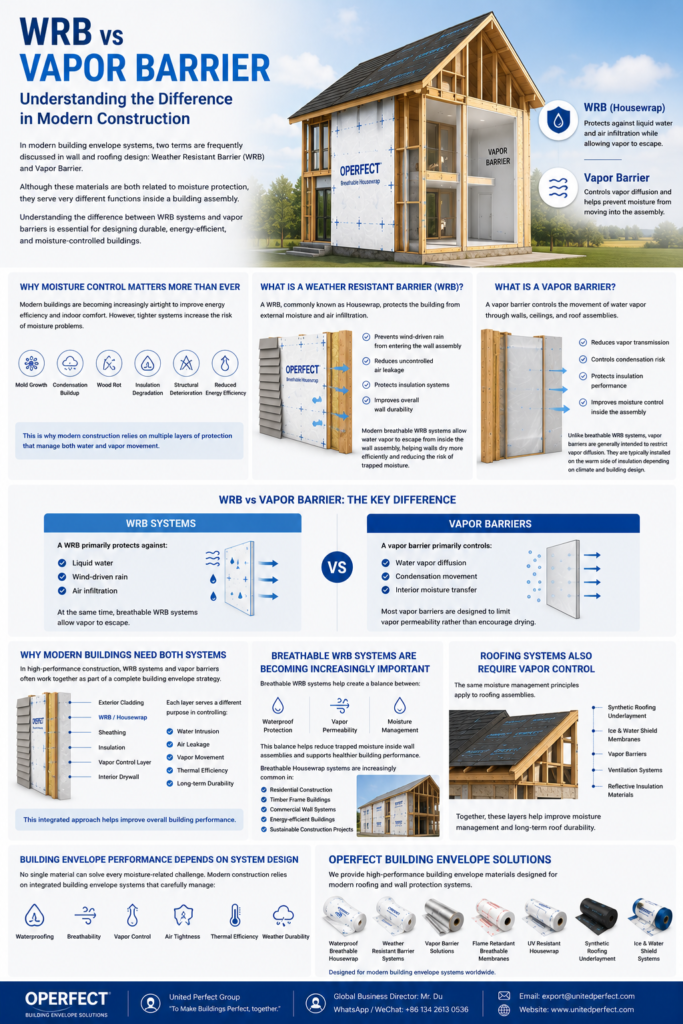
What Is a Weather Resistant Barrier (WRB)?
A Weather Resistant Barrier (WRB), commonly known as Housewrap, is designed to protect the building from external moisture and air infiltration.
WRB systems are typically installed behind exterior cladding and siding materials.
Their primary purpose is to:
- Prevent wind-driven rain from entering the wall assembly
- Reduce uncontrolled air leakage
- Protect insulation systems
- Improve overall wall durability
Modern breathable WRB systems are also designed to allow water vapor to escape from inside the wall assembly.
This vapor permeability helps walls dry more efficiently and reduces the risk of trapped moisture.
What Is a Vapor Barrier?
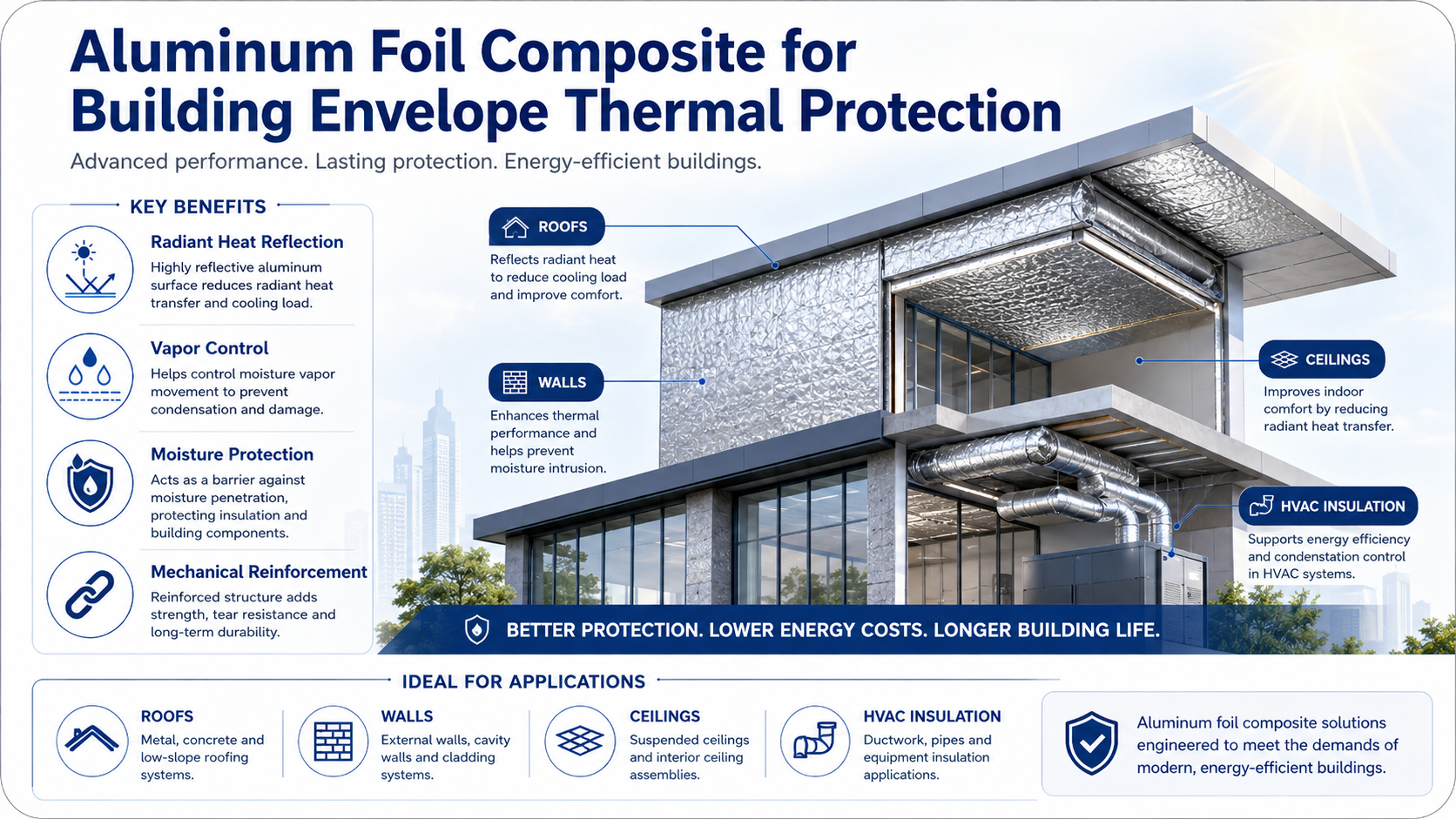
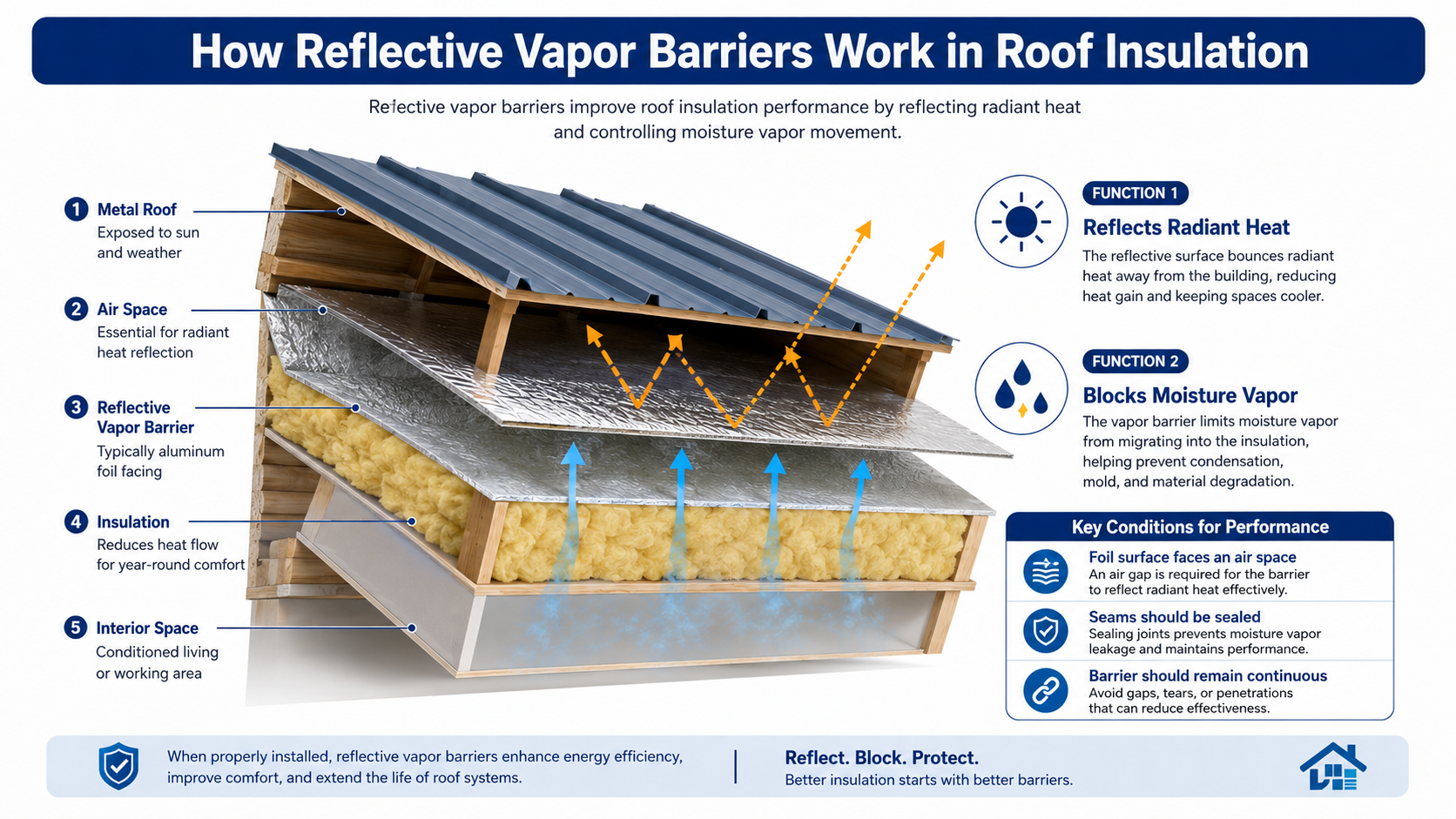
A vapor barrier is designed to control the movement of water vapor through walls, ceilings, and roof assemblies.
Unlike breathable WRB systems, vapor barriers are generally intended to restrict vapor diffusion.
These systems are commonly installed on the warm side of insulation depending on climate conditions and building design.
The purpose of a vapor barrier is to:
- Reduce vapor transmission
- Control condensation risk
- Protect insulation performance
- Improve moisture control inside the assembly
Different climates may require different vapor control strategies.
In cold climates, vapor barriers often help prevent warm indoor moisture from reaching cold exterior wall layers where condensation may occur.
WRB vs Vapor Barrier: The Key Difference
The biggest difference between a WRB and a vapor barrier is how they manage water and vapor.
WRB Systems
A WRB primarily protects against:
- Liquid water
- Wind-driven rain
- Air infiltration
At the same time, breathable WRB systems allow vapor to escape.
Vapor Barriers
A vapor barrier primarily controls:
- Water vapor diffusion
- Condensation movement
- Interior moisture transfer
Most vapor barriers are designed to limit vapor permeability rather than encourage drying.
Why Modern Buildings Need Both Systems
In high-performance construction, WRB systems and vapor barriers often work together as part of a complete building envelope strategy.
A modern wall assembly may include:
- Exterior cladding
- WRB / Housewrap
- Sheathing
- Insulation
- Vapor control layer
- Interior drywall
Each layer serves a different purpose in controlling:
- Water intrusion
- Air leakage
- Vapor movement
- Thermal efficiency
- Long-term durability
This integrated approach helps improve overall building performance.
Breathable WRB Systems Are Becoming Increasingly Important
Traditional wall systems often focused only on waterproofing.
However, modern building science recognizes that drying potential is equally important.
Breathable WRB systems help create a balance between:
- Waterproof protection
- Vapor permeability
- Moisture management
This balance helps reduce trapped moisture inside wall assemblies and supports healthier building performance.
As a result, breathable Housewrap systems are becoming increasingly common in:
- Residential construction
- Timber frame buildings
- Commercial wall systems
- Energy-efficient buildings
- Sustainable construction projects
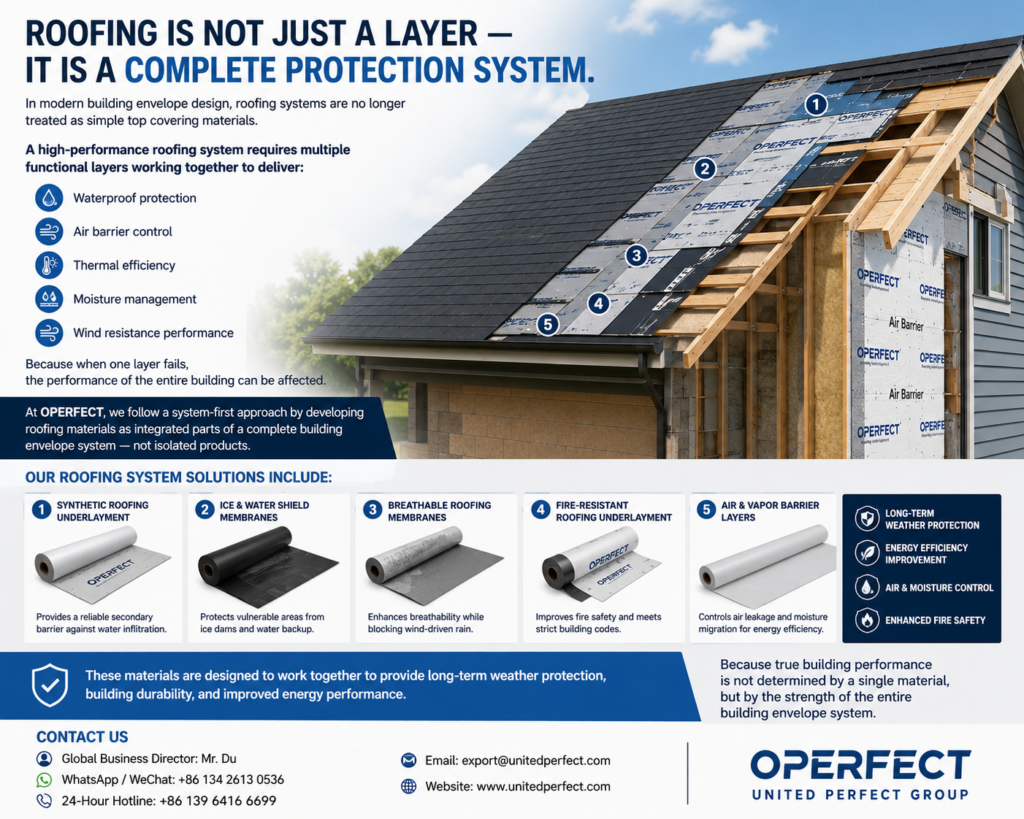
Roofing Systems Also Require Vapor Control
The same moisture management principles apply to roofing assemblies.
Modern roofing systems increasingly combine:
- Synthetic roofing underlayment
- Ice & Water Shield membranes
- Vapor barriers
- Ventilation systems
- Reflective insulation materials
Together, these layers help improve moisture management and long-term roof durability.
Building Envelope Performance Depends on System Design
No single material can solve every moisture-related challenge.
Modern construction relies on integrated building envelope systems that carefully manage:
- Waterproofing
- Breathability
- Vapor control
- Air tightness
- Thermal efficiency
- Weather durability
Understanding how WRB systems and vapor barriers work together is essential for creating durable, high-performance buildings.
OPERFECT Building Envelope Solutions
At OPERFECT, we provide high-performance building envelope materials designed for modern roofing and wall protection systems.
Our solutions include:
- Waterproof Breathable Housewrap
- Weather Resistant Barrier Systems
- Vapor Barrier Solutions
- Flame Retardant Breathable Membranes
- UV Resistant Housewrap
- Synthetic Roofing Underlayment
- Ice & Water Shield Systems
Designed for modern building envelope systems worldwide.
United Perfect Group “To Make Buildings Perfect, together.”
Global Business Director: Mr. Du
WhatsApp/WeChat: +86 134 2613 0536
Courriel : export@unitedperfect.com
Site web : www.unitedperfect.com