Complete Roofing Protection System Guide
Understanding Ice & Water Shield and Synthetic Roofing Underlayment for Modern Roof Systems
Category
Building Envelope Buyer’s Guide
Focus Keyword
Roofing Protection System
Secondary Keywords
- Roofing Underlayment System
- Ice and Water Shield
- Synthetic Roofing Underlayment
- Roof Deck Protection
- Building Envelope Roofing Materials
URL Slug
/buyers-guide/complete-roofing-protection-system-guide
Complete Roofing Protection System Guide
Quick Answer
A reliable roofing system requires more than the final roof covering.
Modern roof assemblies use multiple protection layers to improve durability, moisture resistance, and long-term performance.
A complete Roofing Protection System typically includes:
- Roof Covering
- Synthetic Roofing Underlayment
- Ice & Water Shield
- Proper flashing and sealing details
These layers work together to protect the roof structure from rain, wind-driven moisture, and unexpected water intrusion.
Why Roofing Protection Needs a System Approach
Many people focus only on:
- Asphalt shingles
- Metal roofing
- Tiles
However, the roof covering is not the only protection layer.
A high-performance roof system needs secondary protection because water can enter through:
- Damaged roof coverings
- Wind-driven rain
- Nail penetrations
- Roof valleys
- Flashing areas
The underlayment system provides an additional defense layer.
Understanding the Modern Roofing System
A typical sloped roof assembly:
Roof Covering

↓

Synthetic Roofing Underlayment

↓

Ice & Water Shield

↓

Roof Deck

↓

Structural System

↓

Interior Space
Each layer has a specific function.
The Four Key Components of Roofing Protection
1. Roof Covering
Examples:
- Asphalt shingles
- Metal roofing
- Tile roofing
Main function:
- Primary weather protection
- UV exposure resistance
- Exterior appearance
However, roof coverings alone cannot prevent all water intrusion.
2. Synthetic Roofing Underlayment (RU)
Purpose:
Provide secondary protection between roof covering and roof deck.
Functions:
✔ Protect roof deck
✔ Provide temporary weather protection
✔ Improve installation safety
✔ Reduce moisture risks
Advantages Compared with Traditional Felt Paper
Synthetic underlayment typically provides:
- Higher tear resistance
- Better durability
- Easier handling
- Improved construction efficiency
3. Ice & Water Shield (IWS)
Purpose:
Provide enhanced waterproof protection in vulnerable roof areas.
Common locations:
- Roof valleys
- Eaves
- Skylights
- Chimneys
- Wall intersections
Key Features:
✔ Self-adhered waterproof layer
✔ Nail sealing capability
✔ Strong moisture protection
✔ Helps prevent leaks in critical areas
4. Flashing & Installation Details
Even high-performance materials require correct installation.
Important areas:
- Roof edges
- Penetrations
- Valleys
- Transitions
Proper detailing ensures the complete roofing system works effectively.
Synthetic Roofing Underlayment vs Ice & Water Shield
| Feature | Synthetic Roofing Underlayment | Ice & Water Shield |
|---|---|---|
| Main Purpose | General roof deck protection | Critical waterproof protection |
| Installation Area | Most roof surface | Vulnerable areas |
| Waterproof Level | Secondary protection | Enhanced waterproofing |
| Adhesive Layer | Usually non-self-adhered | Self-adhered |
| Typical Application | Under shingles/roof covering | Valleys, edges, penetrations |
Why Roofing Contractors Use Both Systems
A common mistake is choosing only one product.
The best roofing protection strategy combines:
Large Area Protection
Synthetic Roofing Underlayment
↓
Protects most of the roof deck
Critical Area Protection
Ice & Water Shield
↓
Protects high-risk locations
Together they create a more complete roofing defense system.
Choosing Roofing Protection Materials
Synthetic Roofing Underlayment
Consider:
✔ Tensile strength
✔ Tear resistance
✔ Slip resistance
✔ UV exposure time
✔ Roll size
✔ Installation efficiency
Ice & Water Shield
Consider:
✔ Adhesive performance
✔ Thickness
✔ Nail sealing capability
✔ Temperature resistance
✔ Compatibility with roof coverings
Why Wide Roofing Rolls Improve Efficiency
Large roofing projects require efficient installation.
Benefits:
✔ Faster roof coverage
✔ Fewer overlaps
✔ Reduced labor time
✔ Improved project scheduling
OPERFECT supports customized specifications for:
- Width
- Length
- Weight
- Packaging
- Private label
Common Roofing Protection Mistakes
Avoid:
❌ Using only roof covering without secondary protection
❌ Selecting products only by price
❌ Ignoring vulnerable roof areas
❌ Mixing incompatible materials
❌ Poor installation details
Buyer Checklist
Before selecting roofing protection materials:
✔ What roof type will be used?
✔ What climate conditions exist?
✔ Is self-adhered protection required?
✔ What underlayment performance is needed?
✔ Are technical documents available?
✔ Can the supplier provide OEM solutions?
OPERFECT Roofing Protection Solutions
OPERFECT provides complete Roofing Protection Systems:
Synthetic Roofing Underlayment
Applications:
- Residential roofing
- Commercial roofing
- Sloped roof systems
Ice & Water Shield
Applications:
- Roof valleys
- Eaves
- Penetrations
- High-risk waterproofing areas
Together with:
Wall Protection System
- House Wrap
- Breathable Membrane
- Flash-Spun HDPE WRB
Thermal Protection System
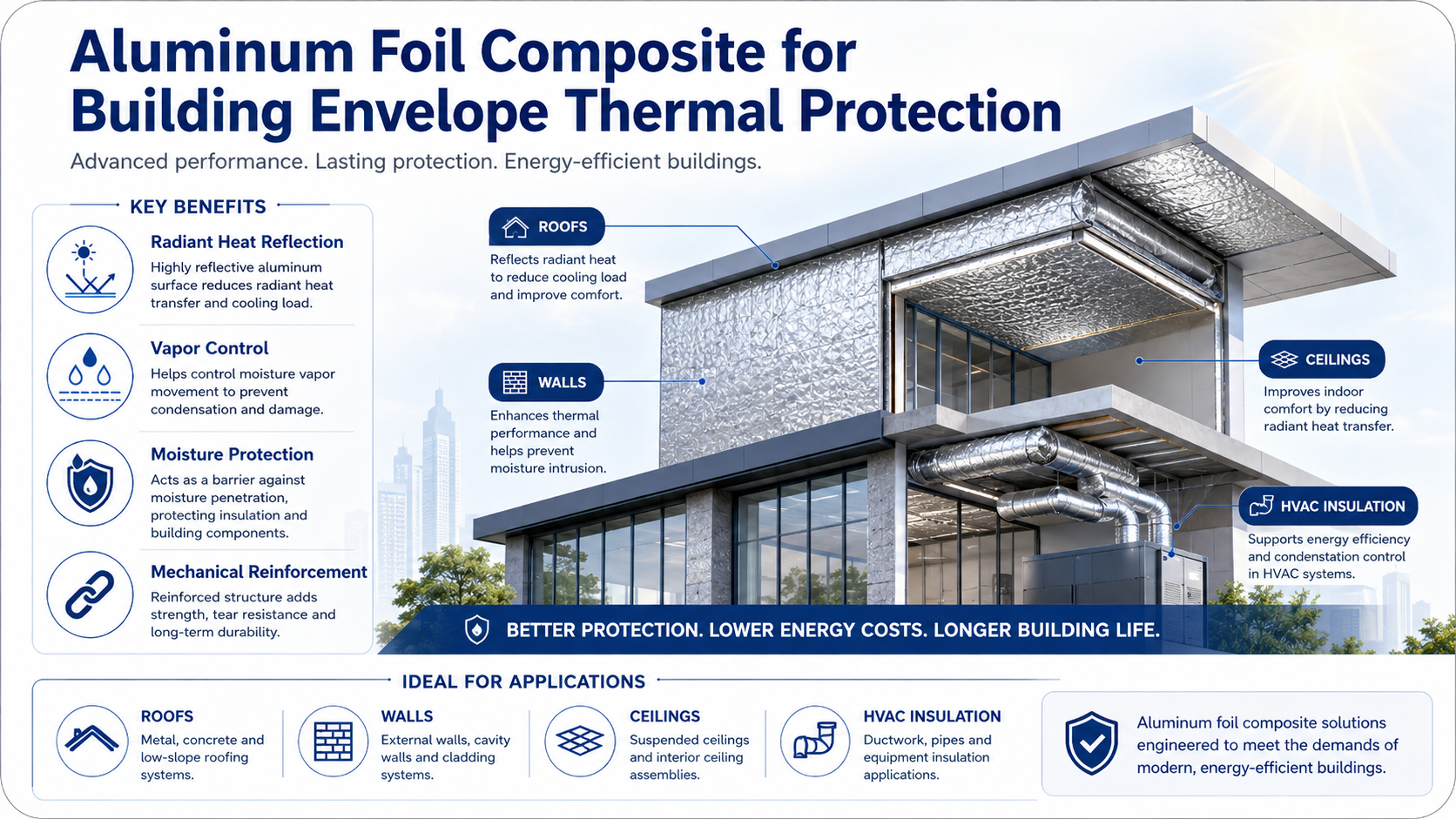
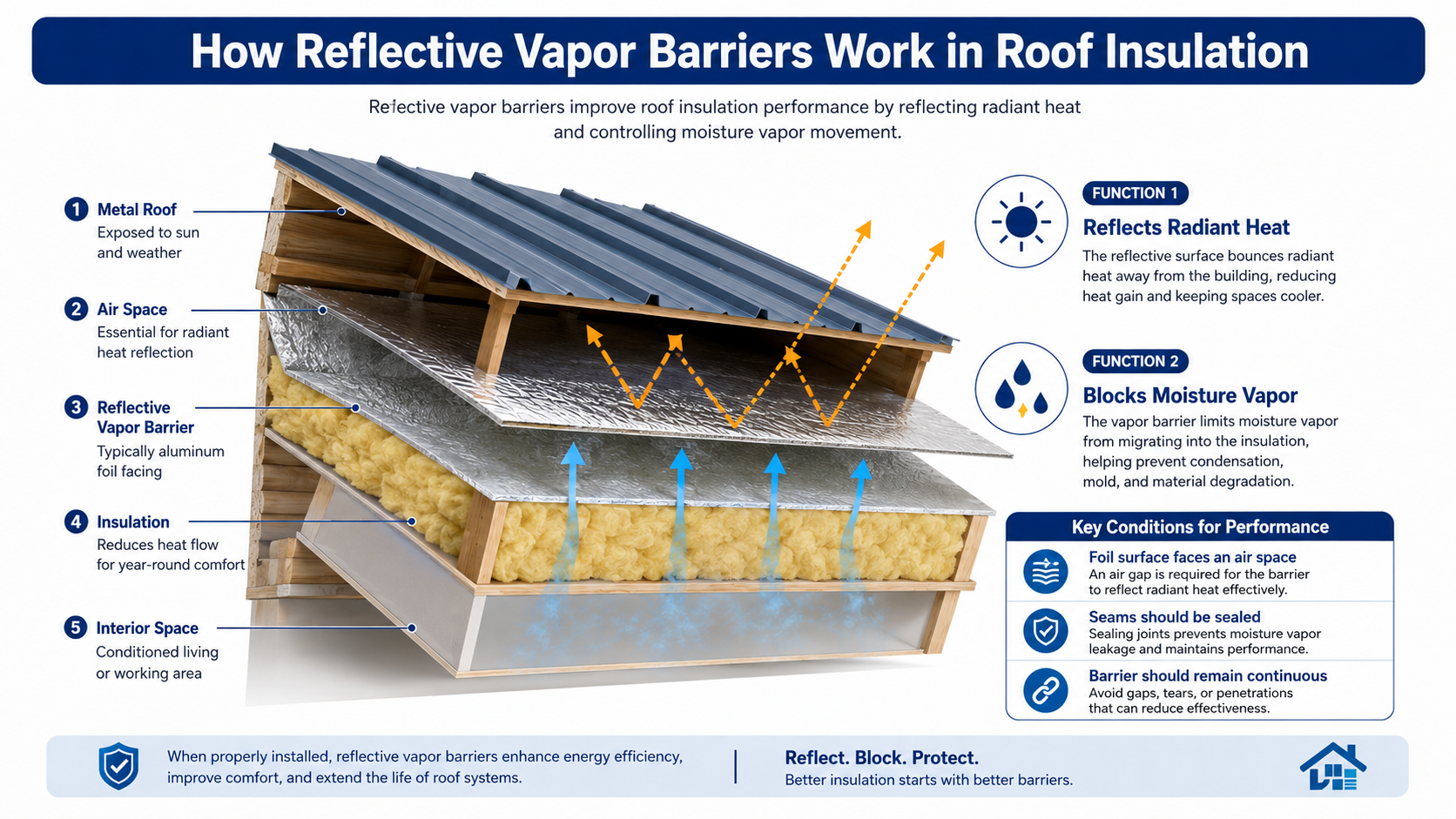
- Reflective Vapor Barrier
Why Global Buyers Choose OPERFECT
✔ Building Envelope System Manufacturer
✔ Roofing & Wall Protection Solutions
✔ OEM & Private Label Manufacturing
✔ Factory Direct Supply
✔ Technical Documentation Support
✔ Fast Sample Support
✔ DDP Door-to-Door Delivery
✔ Professional Export Experience
Frequently Asked Questions
What is the difference between Ice & Water Shield and Roofing Underlayment?
Ice & Water Shield provides enhanced waterproof protection in critical areas, while Synthetic Roofing Underlayment provides broader roof deck coverage.
Do modern roofs need both products?
Many roofing systems use both because they provide different levels of protection.
What is the best roofing underlayment?
The best choice depends on roof type, climate, installation requirements, and project specifications.
Is synthetic underlayment better than felt paper?
Synthetic underlayment generally provides improved durability, handling, and construction efficiency compared with traditional felt paper.
Can OPERFECT supply complete roofing protection systems?
Yes. OPERFECT provides Synthetic Roofing Underlayment, Ice & Water Shield, and related Building Envelope protection solutions.
Related Articles
- Synthetic Roofing Underlayment vs Traditional Felt Paper
- How to Choose Ice & Water Shield
- House Wrap for Commercial Construction Projects
- Complete Building Envelope System Guide
- Why Wide Rolls Improve Installation Efficiency
Contact OPERFECT
United Perfect Group,To Make Buildings Perfect, together.
Global Business Director: Mr. Du
WhatsApp / WeChat: +86 134 2613 0536
Email: export@unitedperfect.com
Website: www.unitedperfect.com