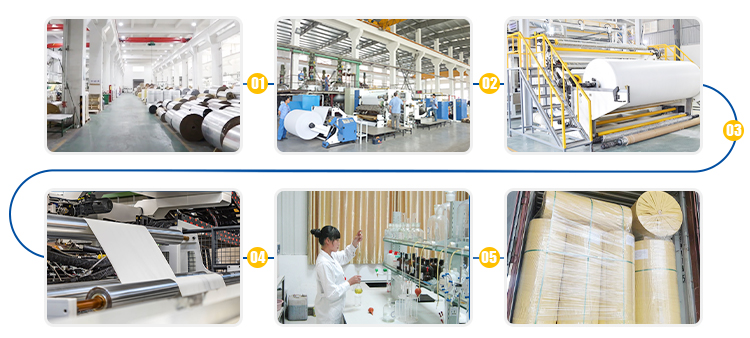
Radiant barrier

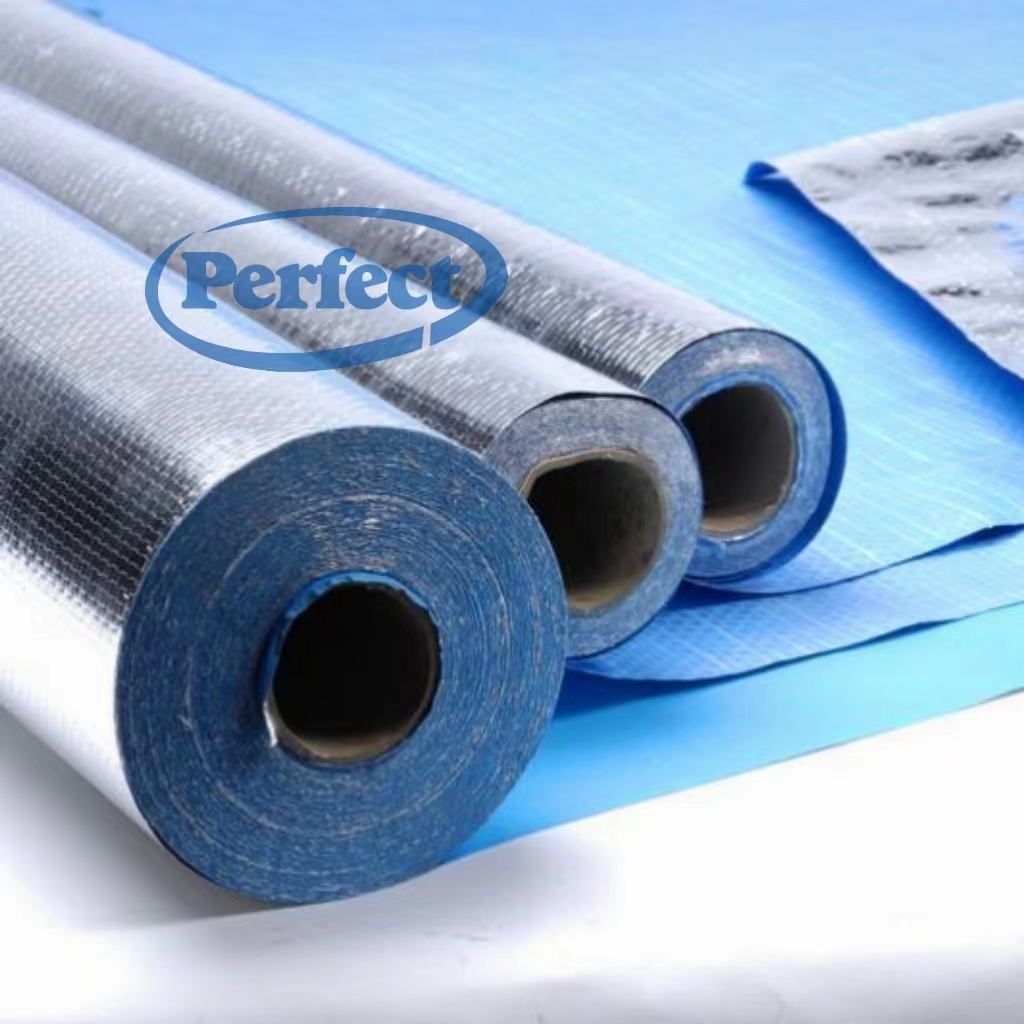
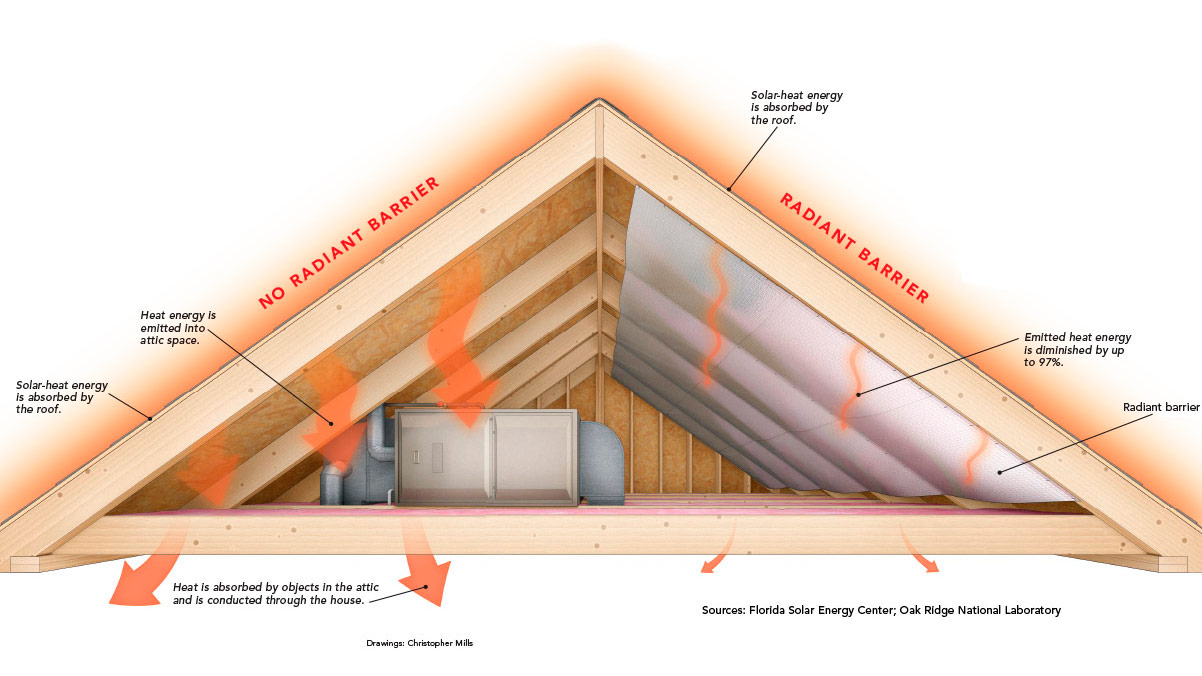
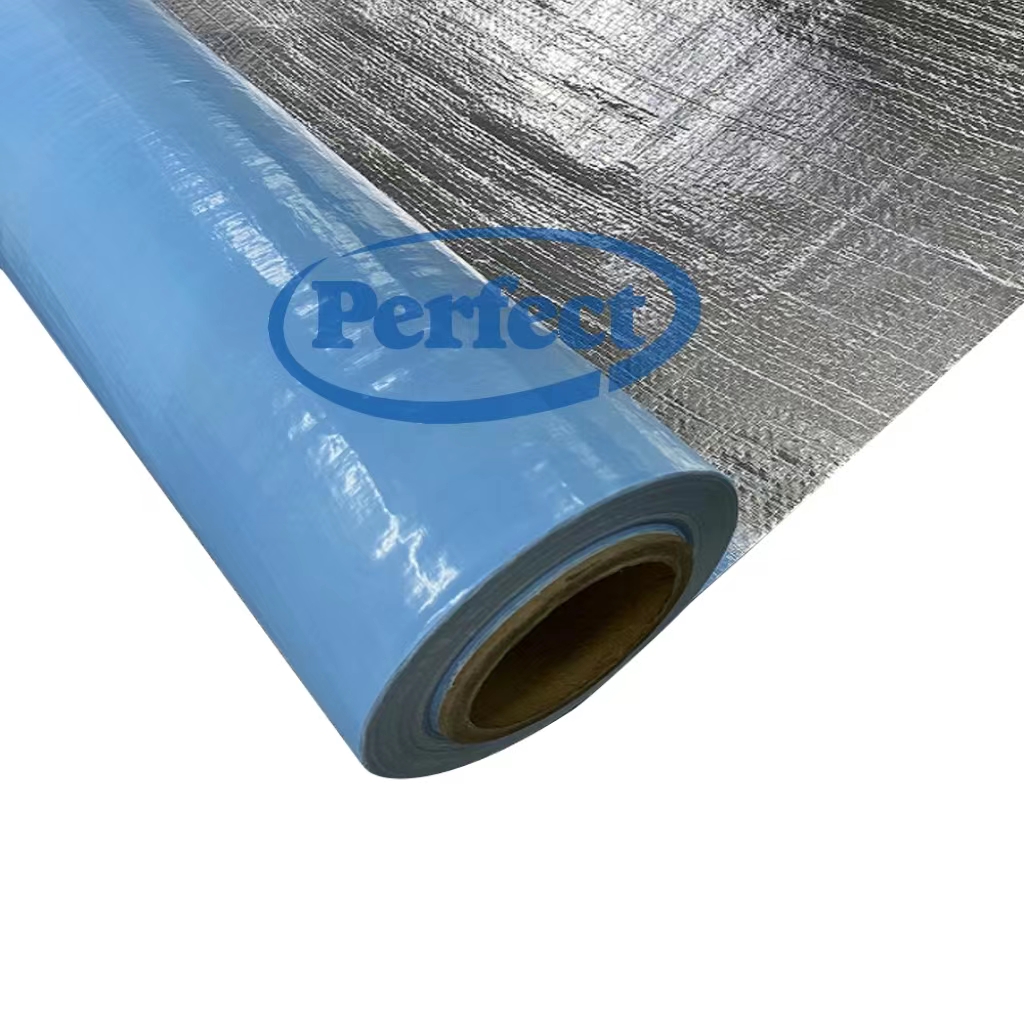
OPERFECT™  Radiant barrier is a specialized building material designed to reduce radiant heat transfer in homes, buildings, or enclosed spaces—unlike insulation (which primarily blocks conductive/convective heat flow). It works by reflecting a large portion of the sun’s infrared (IR) radiation (the primary source of heat gain in warm climates) away from the structure, rather than absorbing it. This helps maintain more comfortable indoor temperatures and can lower energy costs associated with heating and cooling.

What is the OPERFECT™  Radiant barrier?

OPERFECT™  Radiant barrier is a specialized building material designed to reduce radiant heat transfer in homes, buildings, or enclosed spaces—unlike insulation (which primarily blocks conductive/convective heat flow). It works by reflecting a large portion of the sun’s infrared (IR) radiation (the primary source of heat gain in warm climates) away from the structure, rather than absorbing it. This helps maintain more comfortable indoor temperatures and can lower energy costs associated with heating and cooling.

What OPERFECT™ Radiant barrier can offer for you ?

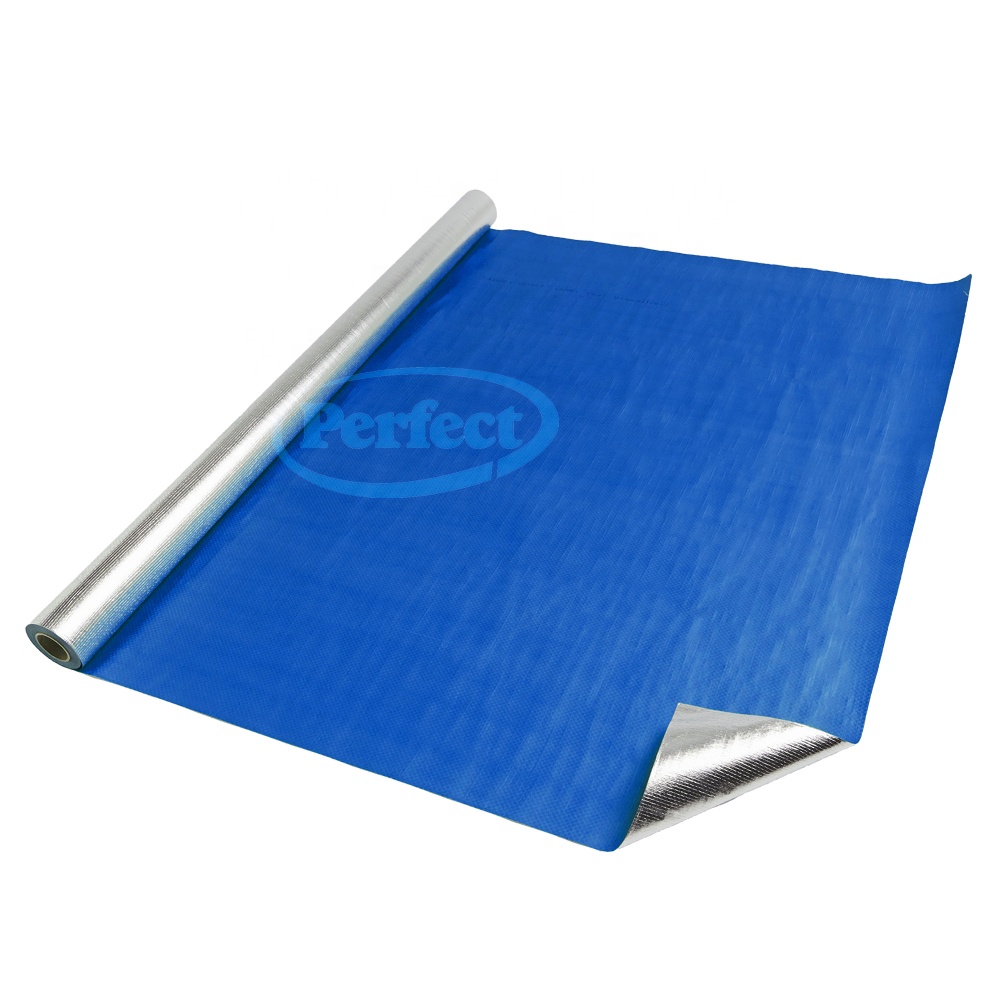
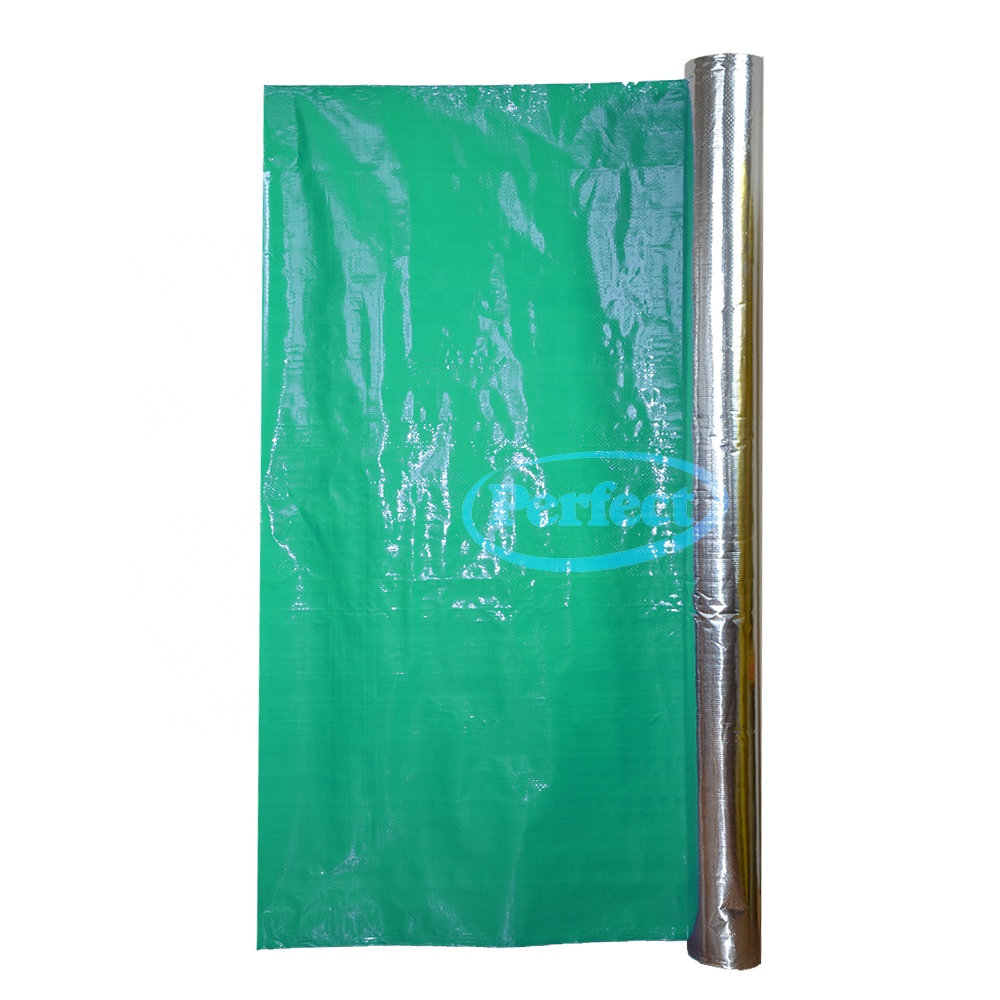
Custommized:  Your logo, Your label, Your Color, etc.

We can offer FOB,CIF and also door to door sevise for you, Save 10% of procurement costs and increase procurement efficiency by 30%.

Quanlity Standards

ASTM D226 for Type I and II

ASTM D4869

CAN/CSA A220.1

CAN/CSA A123.3

CLASS A FIRE ASTM E108

 ICC-ES AC 188;

Production capacity: 20*40HQ/month 

MOQ: 200 Rolls


What’s the features & advantages of OPERFECT™ Radiant barrier ?

  • High Reflectivity: Radiant barriers typically consist of a highly reflective material, usually aluminum foil. They can reflect a large percentage of radiant heat. For example, some radiant barriers can reflect 96% to 97% of radiant heat, preventing it from entering the building and reducing the indoor temperature.
  • Energy Efficiency Improvement: By reflecting radiant heat, radiant barriers reduce the amount of heat that enters the building, thereby decreasing the workload of air – conditioning systems. This leads to lower energy consumption and reduced cooling costs, especially in hot summer months.
  • Enhanced Indoor Comfort: Radiant barriers help maintain a more stable indoor temperature, reducing the impact of external heat sources. This makes the living environment more comfortable as the temperature does not fluctuate significantly.
  • Reduced HVAC Strain: With less heat entering the building, the air – conditioning system does not have to operate as frequently or as intensely. This reduces the strain on the HVAC equipment, extending its service life and lowering maintenance costs.
  • Lightweight and Easy Installation: Radiant barriers are lightweight and can be easily installed in various parts of a building, such as attics, walls, and floors. They can be stapled or attached to the substrate, and the installation process is relatively simple, which is suitable for both new construction and retrofitting projects.
  • Environmental Friendliness: By reducing energy consumption, radiant barriers contribute to a lower carbon footprint, which is in line with the requirements of environmental protection and sustainable development.
  • Good Durability: Some radiant barriers have a waterproof and non – absorbent surface, and they are also fire – rated (such as meeting Class 1/Class A fire – rating standards), which ensures their durability and safety in different environments.

What’s the application of  Radiant barrier?

  • Core Applications of Radiant Barriers
    Radiant barriers are specialized materials designed to reflect radiant heat, making them widely used across sectors where temperature regulation and energy efficiency are critical. Their key applications include:

    1. Building & Construction Industry

    This is the most common application area, where radiant barriers target heat transfer in residential, commercial, and industrial structures:
    • Roofs & Attics: As the primary installation location, radiant barriers are mounted in attics (either under roof rafters or over attic insulation) to reflect solar radiant heat away from the roof deck. In hot climates, this prevents excessive heat from seeping into living spaces below, lowering indoor temperatures and reducing the workload of air conditioning systems. For example, in summer, radiant barriers can reduce attic temperatures by 20–30°F (11–17°C), significantly cutting cooling energy use.
    • Walls: Installed within exterior or interior wall cavities, radiant barriers reflect radiant heat from outside (in warm weather) and retain indoor heat (in cold weather). This stabilizes indoor temperatures, enhances comfort, and complements traditional insulation by addressing radiant heat transfer—an aspect insulation alone struggles with.
    • Floors: In cold regions, radiant barriers are sometimes placed beneath floorboards or concrete slabs. They block radiant heat loss to the ground, keeping floors warmer and reducing heating demands, especially in homes with crawl spaces or unheated basements.

    2. Industrial Facilities

    Radiant barriers are used in factories, warehouses, and manufacturing plants—spaces often with large, uninsulated surfaces exposed to sunlight. By reflecting solar radiant heat off roofs and exterior walls, they lower indoor temperatures, creating a more comfortable working environment for employees. Additionally, they reduce the energy required to cool equipment or temperature-sensitive production areas, lowering operational costs.

    3. Aerospace & Aviation

    The aerospace sector leverages high-performance radiant barriers, originally developed for space missions. For instance, NASA’s Apollo program used thin aluminum-based radiant barriers that reflect over 95% of radiant heat. These barriers protect spacecraft, onboard equipment, and astronauts from extreme temperature fluctuations in space (ranging from -250°F to 250°F/-157°C to 121°C) by reflecting solar radiation away from the craft or retaining heat when needed. Similar technology is now used in aircraft components to regulate temperatures in cargo holds or avionics bays.

    Successful cases:

    Case 1: LRadiant Barrier at Kerry Langley’s Home (Georgia)

    In 2003, Kerry Langley, a homeowner in the Atlanta, Georgia area, researched energy-efficient solutions while building a new house. He discovered a radiant barrier designed to block up to 97% of radiant heat from roof panels before it enters the attic. Despite initial resistance from his builder (who was unfamiliar with the product), Langley insisted on its installation.
    The results were immediate and long-lasting: The radiant barrier prevented excessive solar heat from accumulating in the attic, reducing heat transfer to the home’s living spaces. This not only kept indoor temperatures more comfortable during Georgia’s sweltering summers but also cut the family’s cooling bills by approximately 15–20% annually. Langley later noted that the investment in the radiant barrier paid for itself within 3–4 years through energy saving

Case 2: Davidon Homes’ Standardized Use of Radiant barrier®

Davidon Homes, a prominent U.S. homebuilder specializing in high-quality residential properties, adopted  shortly after the product’s launch. A pivotal moment came during a site visit to a home under construction: On a day when outdoor temperatures exceeded 80°F (27°C), executives noticed that the interior of the home—fitted with—remained significantly cooler than comparable uninsulated structures.
Impressed by this performance, Davidon Homes made a standard feature in all its new builds—a practice that has continued for nearly 8 years. The radiant barrier allowed the builder to downsize HVAC systems (since less cooling capacity was needed), reducing upfront construction costs while maintaining energy efficiency. For homes ranging from 3,000 to over 5,000 square feet, homeowners reported consistent cooling savings and improved comfort, solidifying Davidon’s reputation for sustainable, energy-efficient design.

Our product line for Radiant barrier

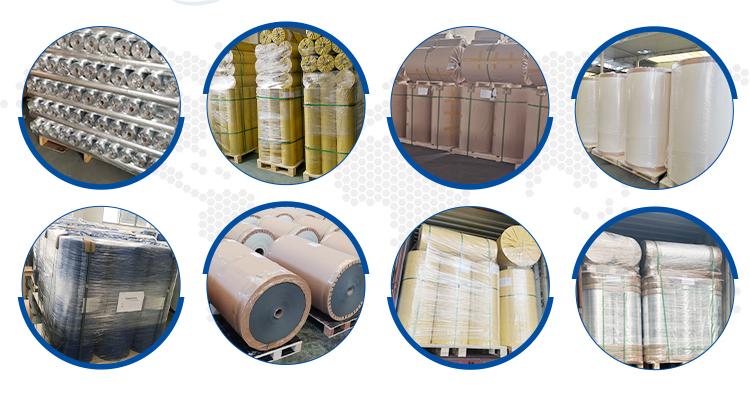
Our packing for Radiant barrier


Our clients


CONTACT US

Jinan United Perfect Building Materials Corporation

M: +86 139 6416 6699  P: +86-531 8190 1621  F: +86-531 8281 4295

Whatsapp: +8613426130536  Skype: harald2009  Wechat: 13426130536

Requirements Form