Why Moisture Management Matters in Modern Construction
A Complete Buyer’s Guide for Building Owners, Contractors & Material Distributors
Category: Buyer’s Guide
Focus Keyword: Moisture Management
URL Slug: /buyers-guide/why-moisture-management-matters
Meta Title
Why Moisture Management Matters | Complete Building Envelope Buyer’s Guide | OPERFECT
Meta Description
Learn why moisture management is essential for modern buildings. Discover how House Wrap, Roofing Underlayment, Ice & Water Shield, and Vapor Barriers work together to protect building performance.
Why Moisture Management Matters
Quick Answer
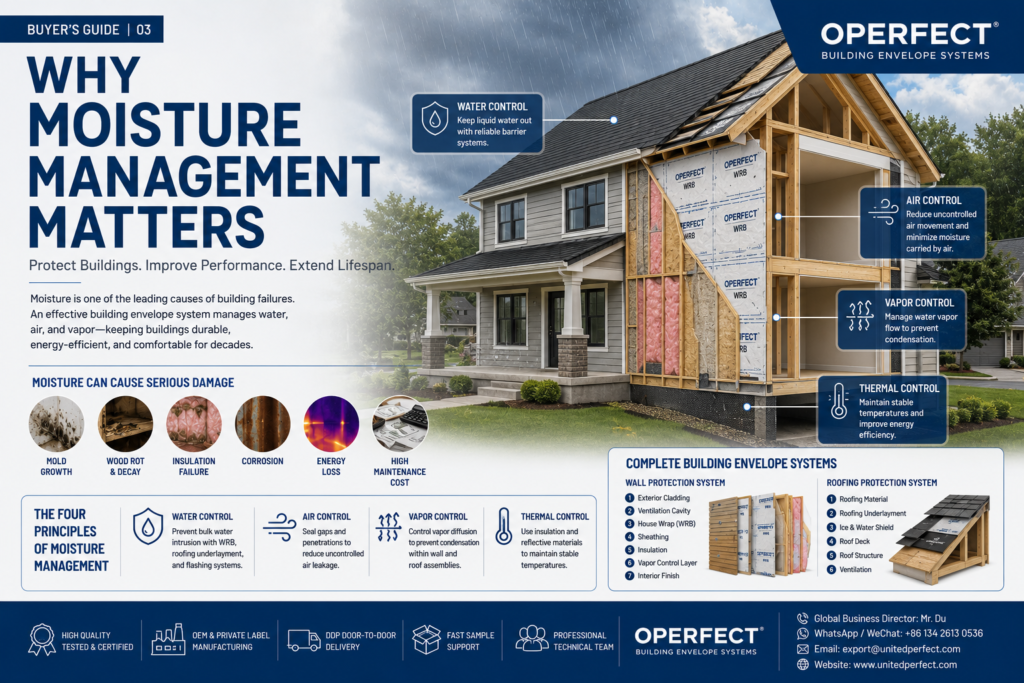
Moisture is one of the leading causes of building failures worldwide. Rain, snow, condensation, air leakage, and humidity can gradually damage structural components, insulation, and interior finishes. An effective building envelope system manages water, air, and vapor together, helping buildings remain durable, energy-efficient, and comfortable for decades.
Key Takeaways
- Moisture can enter buildings in multiple ways—not just through roof leaks.
- Good moisture management protects both the building structure and indoor environment.
- House Wrap, Roofing Underlayment, Ice & Water Shield, and Vapor Barriers each play different but complementary roles.
- Preventing moisture damage is significantly more cost-effective than repairing it.
Why Moisture Is a Serious Threat
Many building owners only notice moisture problems after visible damage appears. In reality, water intrusion often begins long before signs become obvious.
Common sources of moisture include:
- Wind-driven rain
- Snow and ice
- Ground moisture
- Indoor humidity
- Air leakage
- Condensation inside wall assemblies
Without proper moisture control, these issues can gradually weaken building performance.
What Problems Can Moisture Cause?
Moisture affects far more than appearance.
Typical consequences include:
Mold Growth
Persistent moisture creates ideal conditions for mold, affecting indoor air quality and occupant health.
Wood Rot
Moisture trapped inside wall assemblies can weaken timber framing and reduce structural integrity.
Insulation Failure
Wet insulation loses much of its thermal performance, increasing heating and cooling costs.
Metal Corrosion
Fasteners, steel framing, and connectors can corrode over time when exposed to uncontrolled moisture.
Higher Maintenance Costs
Small moisture issues often become expensive repairs if left untreated.
The Four Principles of Moisture Management
A high-performance building envelope controls moisture through four integrated strategies.
1. Water Control
The first priority is preventing bulk water from entering the building.
Typical products include:
- House Wrap (Weather-Resistive Barrier)
- Roofing Underlayment
- Ice & Water Shield
- Flashing Systems
2. Air Control
Air leakage carries moisture into wall assemblies.
Reducing uncontrolled air movement helps improve:
- Energy efficiency
- Indoor comfort
- Moisture control
3. Vapor Control
Water vapor naturally moves through building materials.
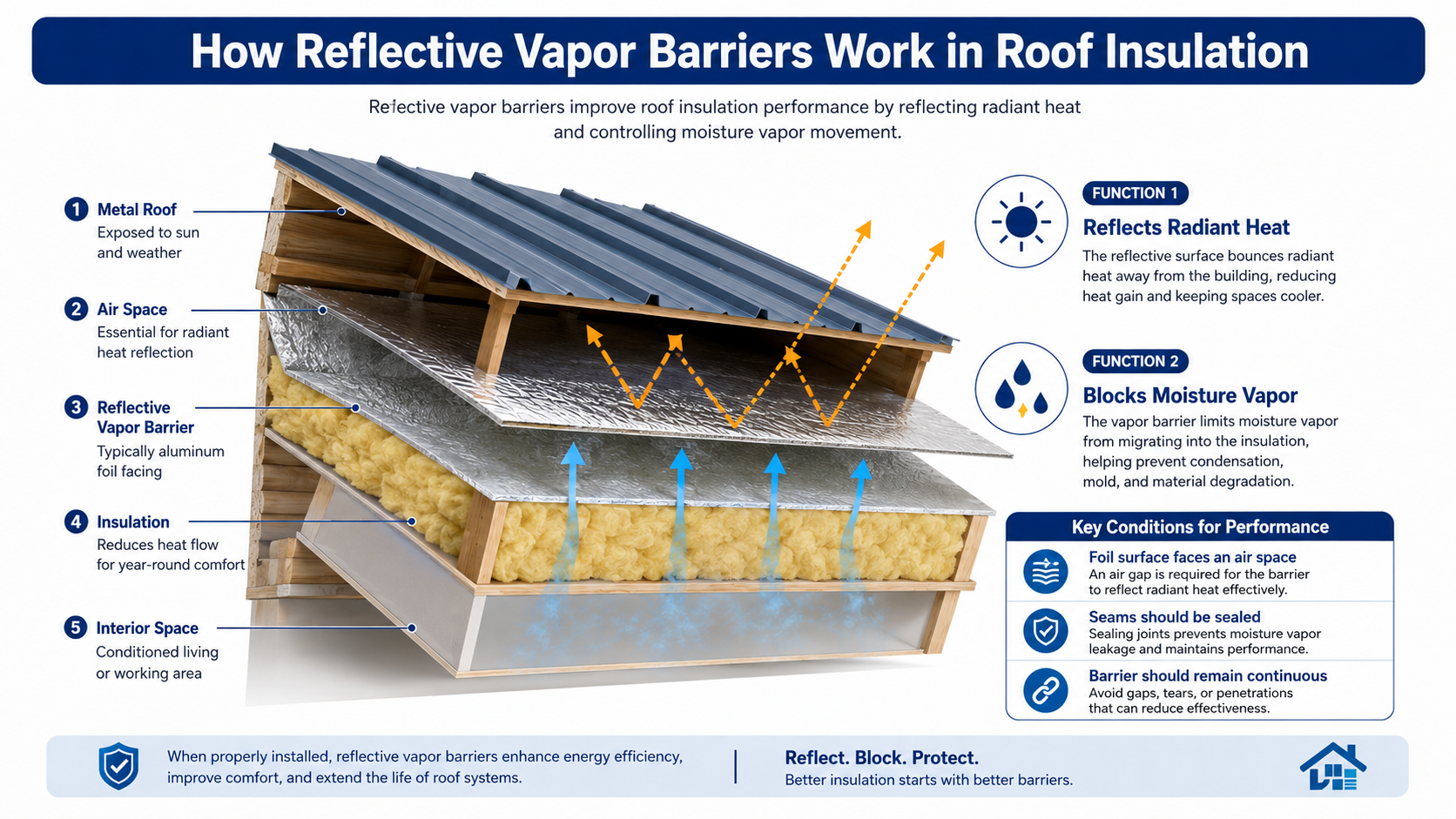
Proper vapor control helps:
- Reduce condensation
- Protect insulation
- Extend building lifespan
The correct vapor control strategy depends on climate zone and building design.
4. Thermal Control
Keeping wall and roof assemblies at stable temperatures reduces the risk of condensation while improving energy performance.
Thermal protection materials include:
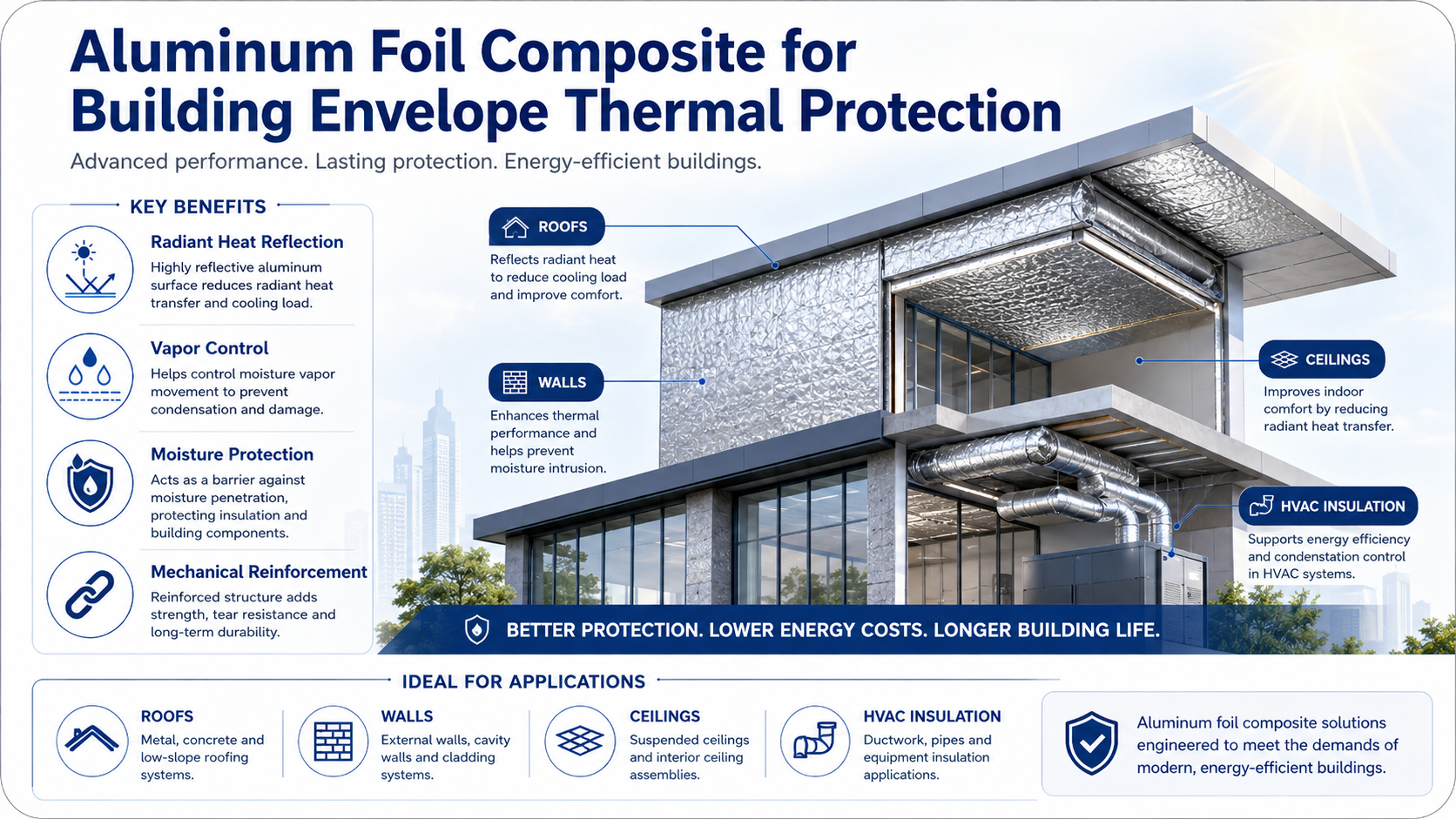
- Reflective Vapor Barrier
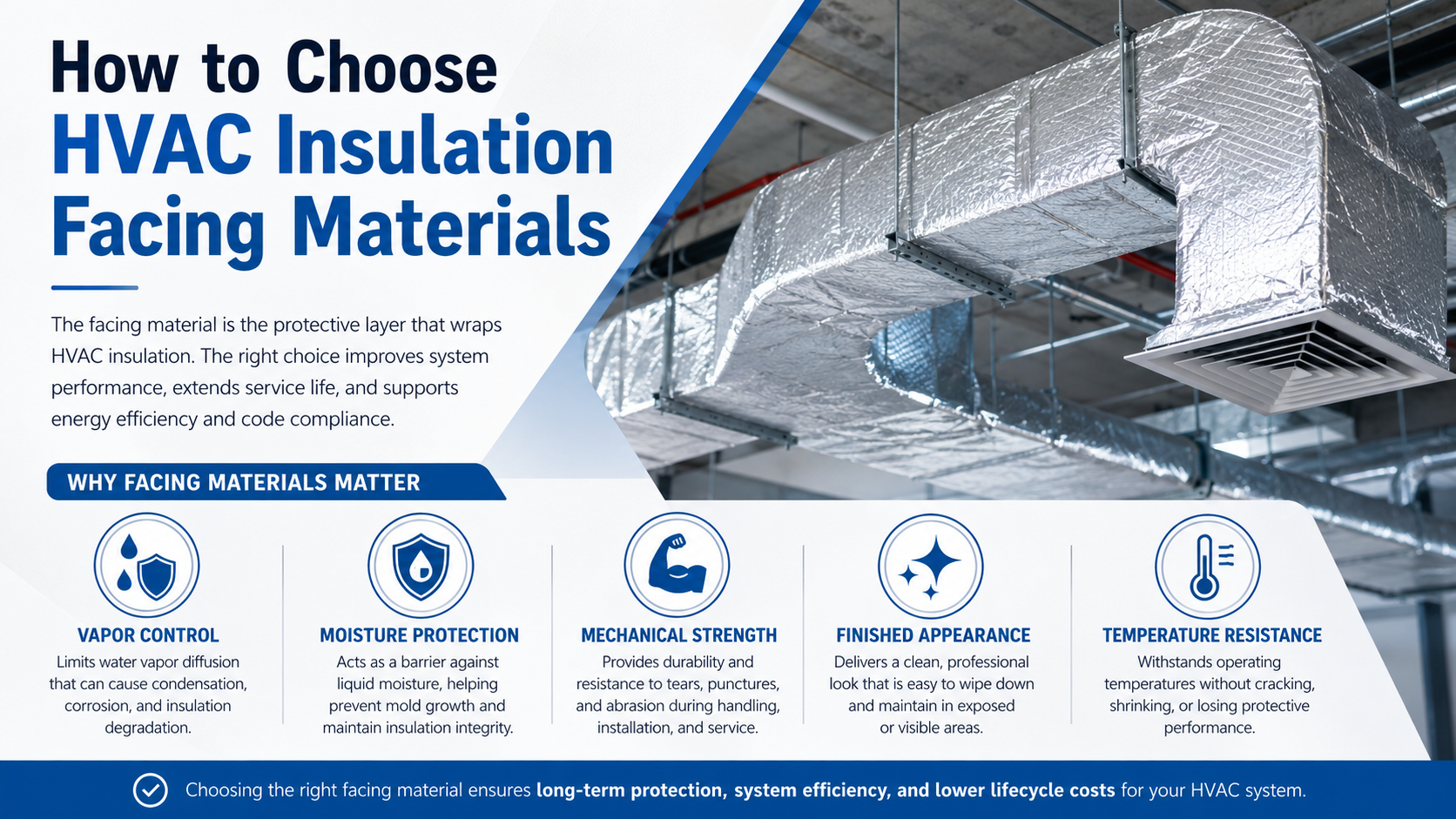
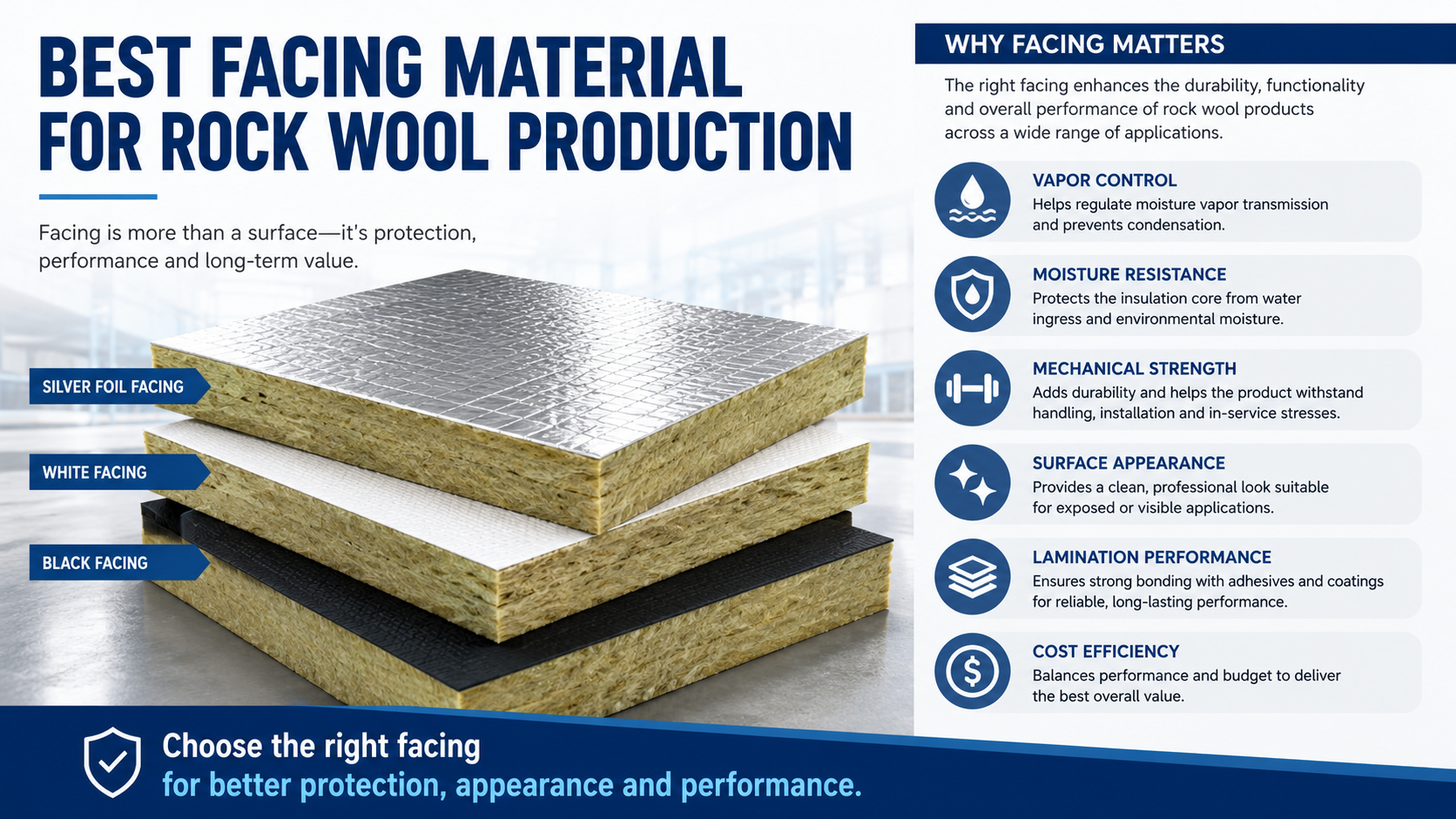
- Insulation Facing Materials
- Fiberglass Insulation
- Rock Wool Insulation
How Building Envelope Products Work Together
Rather than relying on a single product, modern buildings use multiple protective layers.
Wall System
- Exterior Cladding
- Ventilation Cavity
- Enveloppe de la maison
- Structural Sheathing
- Insulation
- Vapor Control Layer
- Interior Finish
Roofing System
- Roofing Material
- Synthetic Roofing Underlayment
- Ice & Water Shield
- Roof Deck
- Roof Structure
Each layer performs a different function while working together to manage moisture effectively.
Moisture Management in Different Climate Zones
Cold Climates
Primary concerns:
- Condensation
- Ice dams
- Freeze-thaw cycles
Recommended focus:
- High-performance House Wrap
- Ice & Water Shield
- Proper vapor control
Hot & Humid Climates
Primary concerns:
- Exterior humidity
- Mold growth
- High cooling loads
Recommended focus:
- Breathable House Wrap
- Moisture drainage
- Proper ventilation
Coastal Areas
Primary concerns:
- Wind-driven rain
- Salt exposure
- High humidity
Recommended focus:
- Durable weather barriers
- High-quality roofing protection
- Corrosion-resistant components
Buyer Checklist
Before selecting building envelope materials, ask:
✔ Is the product designed for your climate?
✔ Can it manage both liquid water and water vapor?
✔ Does it comply with local building codes?
✔ Has it been tested for long-term durability?
✔ Does the supplier provide technical documentation?
✔ Can the supplier support OEM or private-label projects?
Why Choose OPERFECT?
OPERFECT provides integrated Building Envelope Protection Systems for distributors, contractors, importers, and private-label brands worldwide.
Our solutions include:
- House Wrap Systems
- Synthetic Roofing Underlayment
- Ice & Water Shield
- Reflective Vapor Barrier
- Thermal Insulation Facing Materials
Why buyers choose OPERFECT:
- 9 ft & 10 ft wide rolls available
- OEM & Private Label Manufacturing
- Factory Direct Supply
- DDP Door-to-Door Delivery
- Fast Sample Support
- Professional Export Experience
Frequently Asked Questions
What is moisture management in construction?
Moisture management is the process of controlling rain, air, and water vapor to protect buildings from long-term damage.
Why is moisture control important?
Proper moisture control prevents mold, wood rot, corrosion, insulation failure, and unnecessary maintenance costs.
Can House Wrap stop water?
Yes. House Wrap is designed to resist liquid water while allowing moisture vapor to escape, helping walls stay dry.
Does Roofing Underlayment improve moisture protection?
Yes. Roofing underlayment provides a secondary water-resistant layer beneath roofing materials.
Is Ice & Water Shield necessary?
In cold climates and areas prone to ice dams or wind-driven rain, Ice & Water Shield provides critical waterproof protection at vulnerable roof areas.
Why is an integrated building envelope important?
Because no single product can solve every moisture problem. Long-term protection depends on wall, roof, vapor, and thermal systems working together.
Related Articles
- What Is a Building Envelope?
- WRB vs. Vapor Barrier: What’s the Difference?
- How to Choose the Right House Wrap for Your Project
- How to Choose the Right Roofing Underlayment
Contact OPERFECT
United Perfect Group,To Make Buildings Perfect, together.
Global Business Director: Mr. Du
WhatsApp / WeChat: +86 134 2613 0536
Courriel : export@unitedperfect.com
Site web : www.unitedperfect.com