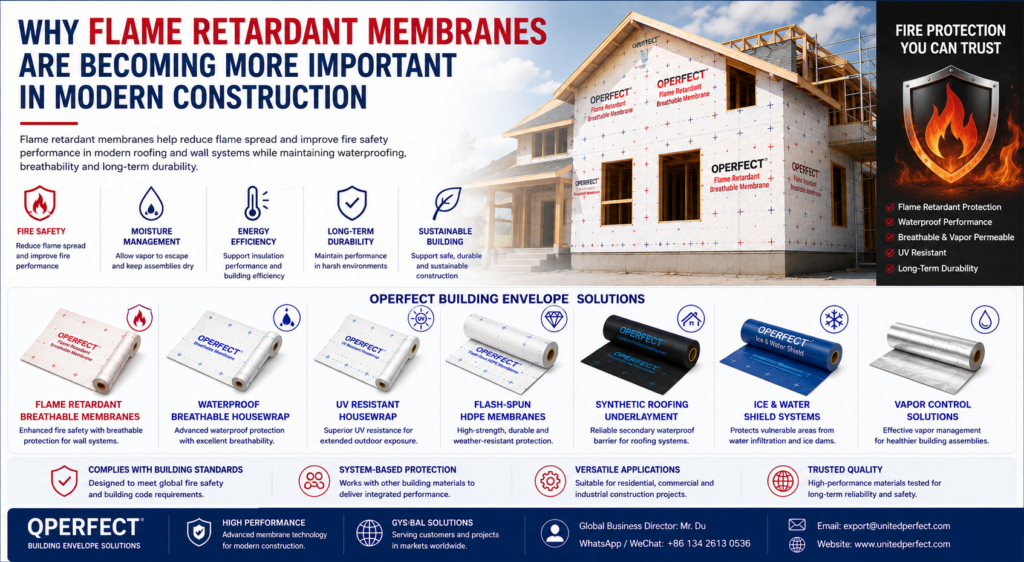
Why Flame Retardant Membranes Are Becoming More Important in Modern Construction
As modern buildings become larger, more energy efficient, and more tightly sealed, fire safety is becoming an increasingly important part of building envelope design.
Today’s construction industry no longer focuses only on waterproofing and insulation performance.
Modern building materials must also support:
- Fire safety
- Moisture management
- Energy efficiency
- Long-term durability
- Climate resilience
As a result, flame retardant membrane technology is becoming an important part of modern roofing and wall protection systems worldwide.
Why Fire Performance Matters in Building Envelope Systems
Modern wall and roofing assemblies contain multiple layers of materials, including:
- Insulation systems
- Air barriers
- Housewrap membranes
- Roofing underlayments
- Vapor control layers
- Exterior cladding systems
In the event of a fire, certain materials may contribute to flame spread if they are not properly designed for fire performance.
This is why many modern construction projects increasingly require flame retardant protection layers within the building envelope system.
What Is a Flame Retardant Membrane?
A flame retardant membrane is a protective material designed to help reduce flame spread and improve fire performance within wall or roof assemblies.
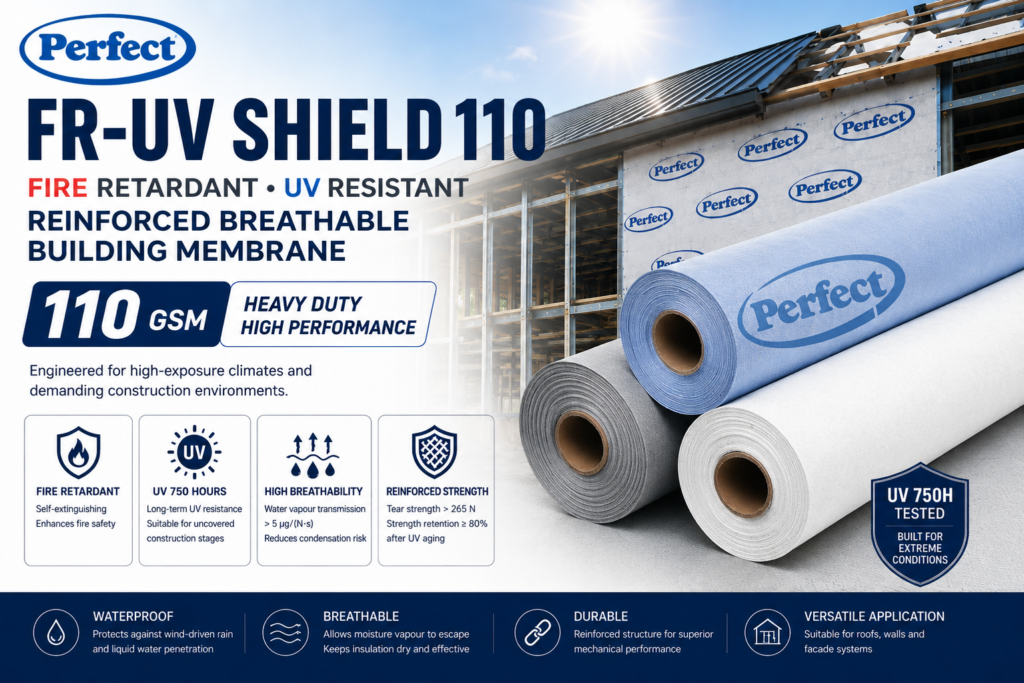
These membranes are commonly used in:
- Breathable Housewrap systems
- Roofing underlayments
- Wall protection membranes
- Vapor control systems
- High-performance building envelope assemblies
Modern flame retardant membranes are designed to maintain multiple performance functions simultaneously.
Depending on the application, they may combine:
- Waterproof protection
- Breathability
- UV resistance
- Fire performance
- Mechanical durability
This multi-functional approach is becoming increasingly important in modern construction.
Why Breathability and Fire Performance Must Work Together
Traditional fire-resistant materials sometimes sacrifice vapor permeability and wall drying performance.
However, modern building science recognizes that moisture management remains essential even in fire-rated assemblies.
Trapped moisture can still lead to:
- Mold growth
- Condensation damage
- Insulation degradation
- Structural deterioration
This is why advanced flame retardant breathable membranes are becoming increasingly popular in modern wall systems.
These systems help maintain:
- Waterproof protection
- Vapor permeability
- Moisture management
- Fire performance
- Long-term durability
Together, these properties help improve overall building envelope performance.
Flame Retardant Membranes in Wall Systems
In modern wall assemblies, flame retardant breathable membranes are often installed behind exterior cladding systems.
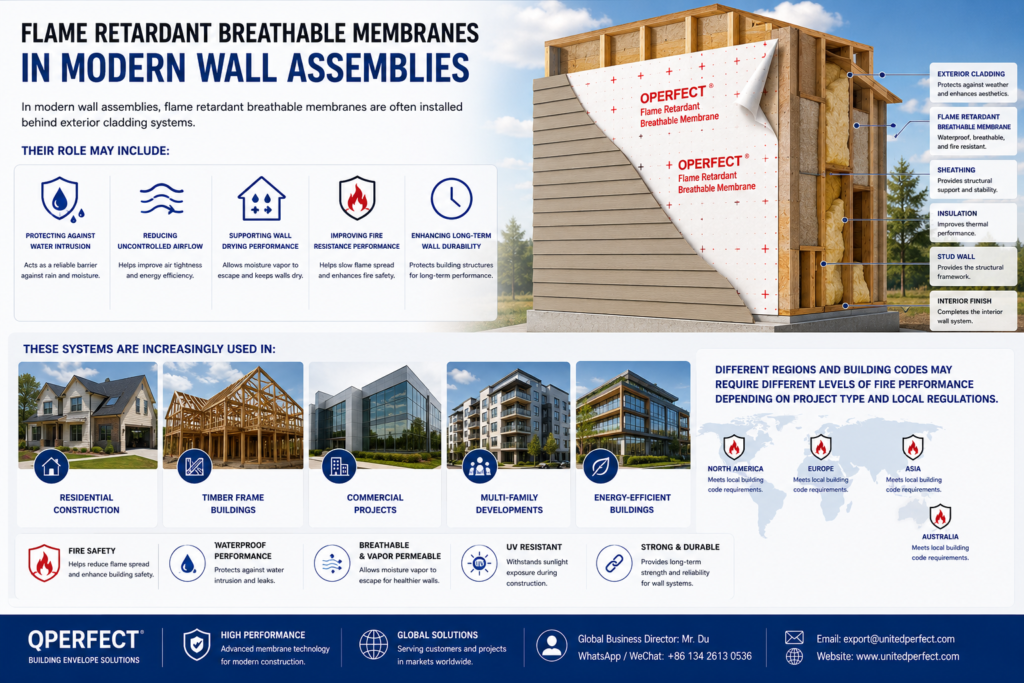
Their role may include:
- Protecting against water intrusion
- Reducing uncontrolled airflow
- Supporting wall drying performance
- Improving fire resistance performance
- Enhancing long-term wall durability
These systems are increasingly used in:
- Residential construction
- Timber frame buildings
- Commercial projects
- Multi-family developments
- Energy-efficient buildings
Different regions and building codes may require different levels of fire performance depending on project type and local regulations.
Roofing Systems Also Require Fire Protection
Roof assemblies are exposed to extreme environmental conditions and can also play an important role in fire protection strategies.
Modern roofing systems increasingly combine:
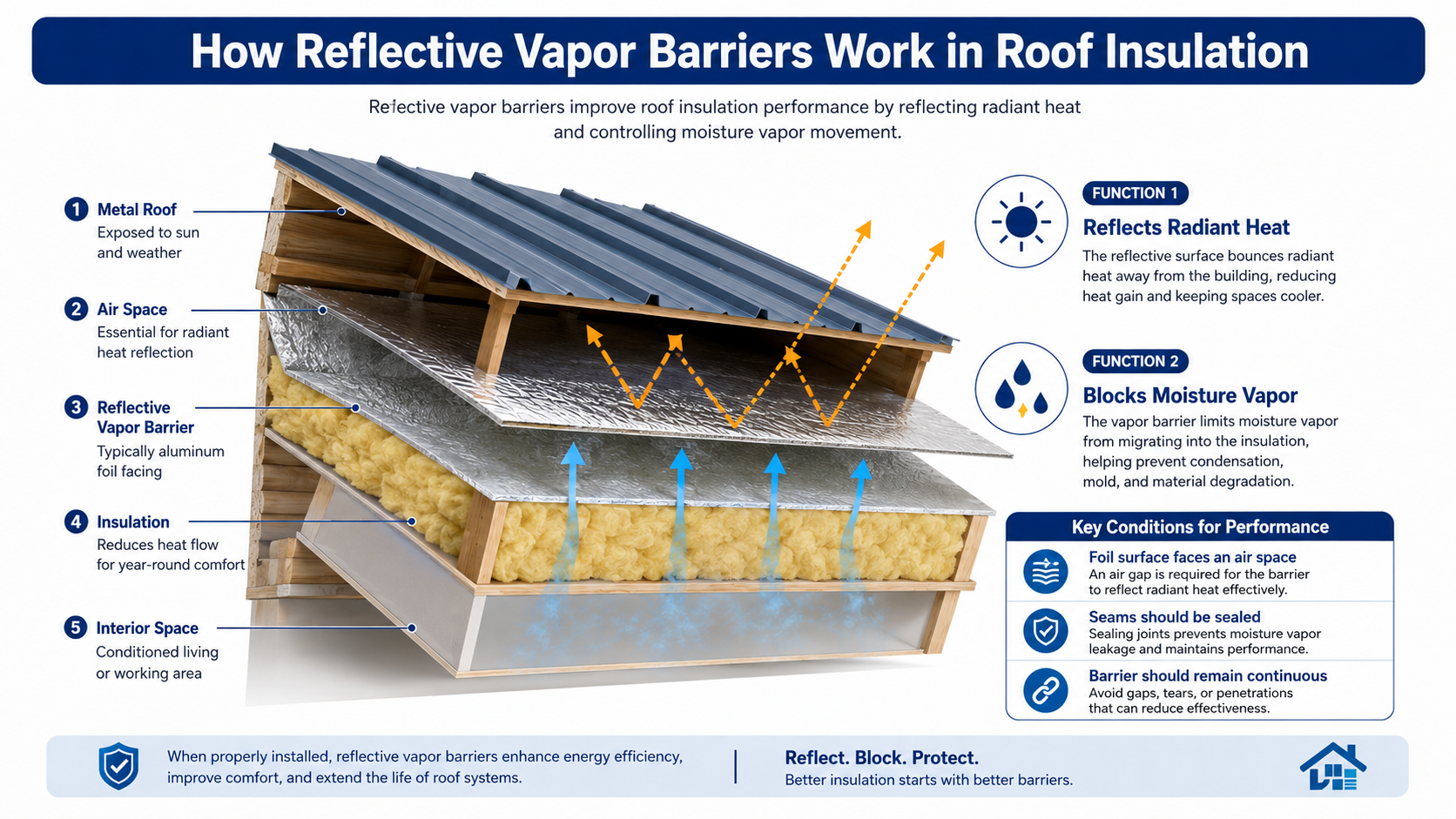
- Synthetic roofing underlayment
- Ice & Water Shield systems
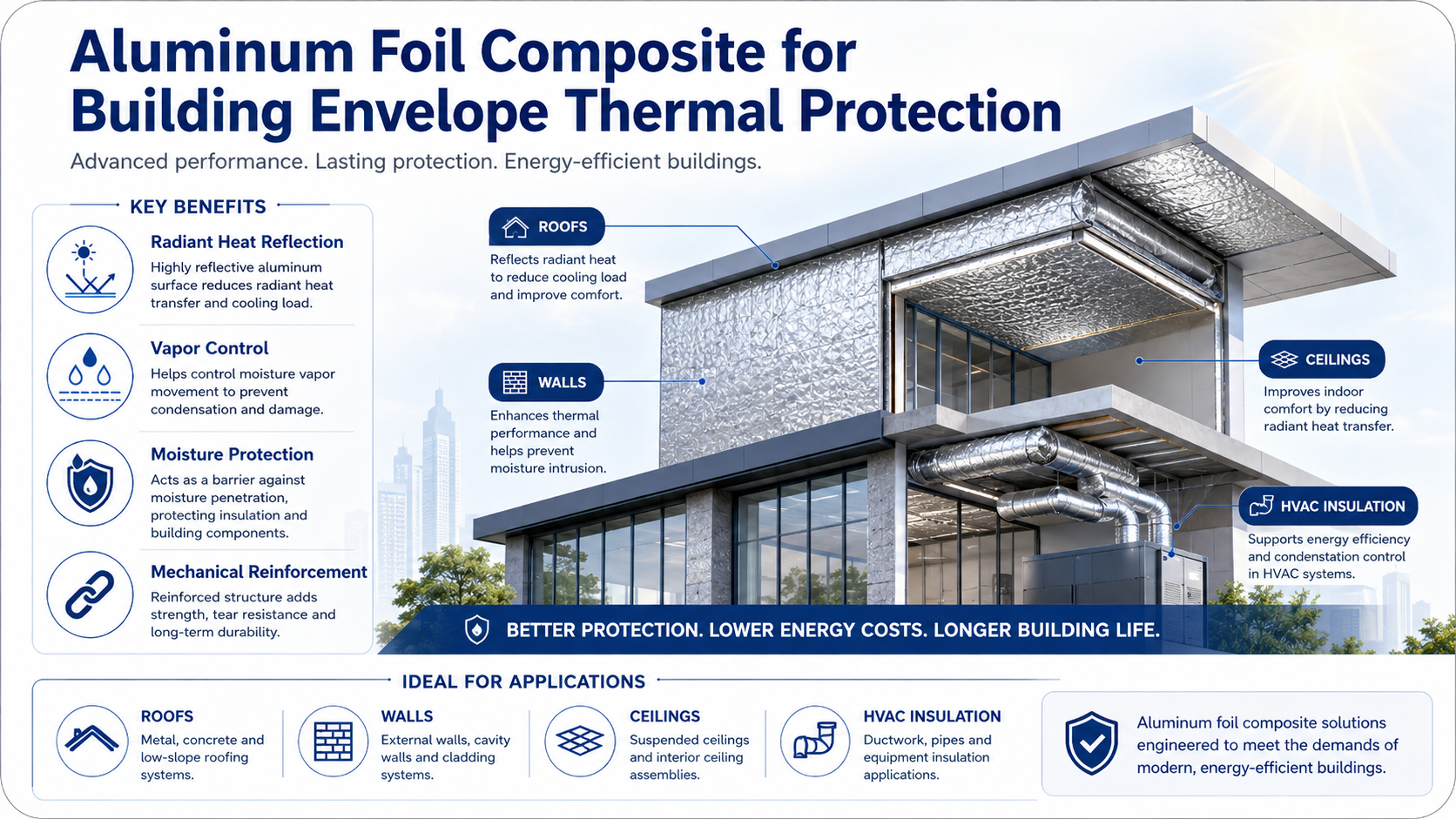
- Reflective insulation materials
- Vapor control layers
- Flame retardant roofing membranes
Together, these systems help improve:
- Waterproofing performance
- Heat resistance
- Roof durability
- Moisture management
- Fire protection
Modern roofing science increasingly focuses on integrated system performance rather than isolated materials.
Building Codes and Fire Standards Are Evolving
As global construction standards continue to evolve, fire safety requirements are becoming stricter in many regions.
Architects, builders, and developers are placing greater emphasis on:
- Fire performance
- Material safety
- Building durability
- Sustainable construction
- Long-term weather resistance
This trend is driving increased demand for high-performance flame retardant membrane systems worldwide.
High-Performance Membranes Are Becoming Multi-Functional
Modern construction materials are no longer designed around a single performance feature.
Today’s advanced membrane systems increasingly combine:
- Waterproof protection
- Breathability
- UV resistance
- Flame retardant performance
- Tear resistance
- Long-term weather durability
Different building environments may require different combinations of protective performance depending on climate conditions and project requirements.
The Future of Building Envelope Protection
The future of modern construction is moving toward smarter and more integrated building envelope systems.
Long-term building durability now depends on how multiple protective layers work together to manage:
- Water intrusion
- Vapor movement
- Air leakage
- Thermal efficiency
- Fire performance
- Weather exposure
Flame retardant breathable membranes are becoming an increasingly important part of this system-based approach.
OPERFECT Building Envelope Solutions
At OPERFECT, we provide high-performance membrane systems designed for modern roofing and wall protection applications worldwide.
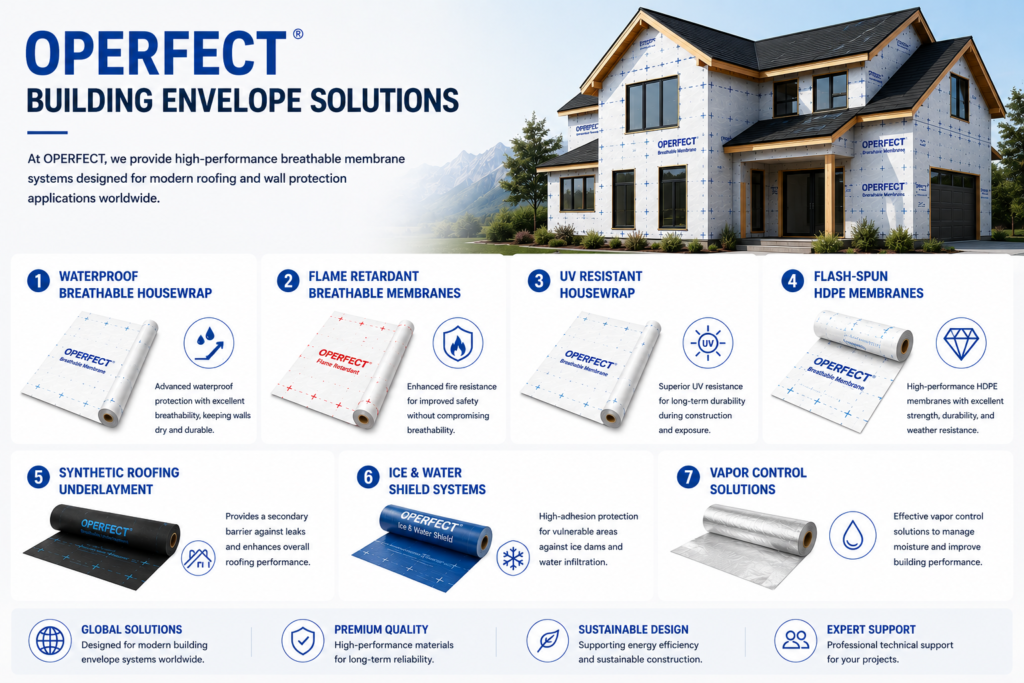
Our solutions include:
- Flame Retardant Breathable Membranes
- Waterproof Breathable Housewrap
- UV Resistant Housewrap
- Flash-Spun HDPE Membranes
- Synthetic Roofing Underlayment
- Ice & Water Shield Systems
- Vapor Control Solutions
Designed for modern building envelope systems and long-term construction performance.
United Perfect Group “To Make Buildings Perfect, together.”
Global Business Director: Mr. Du
WhatsApp/WeChat: +86 134 2613 0536
Correo electrónico: export@unitedperfect.com
Página web: www.unitedperfect.com